Analyzing President Trump's Use of Section 338 Tariffs on Canadian Imports: Legal Challenges and Trade Disputes
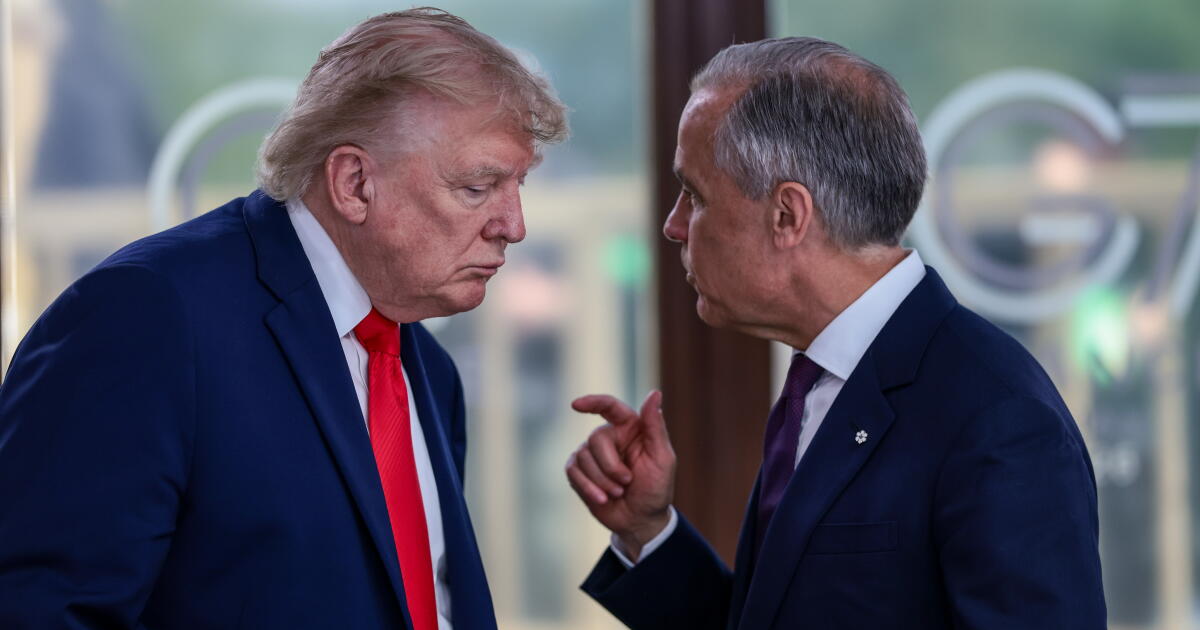
President Trump recently invoked an obscure 96-year-old statute, Section 338 of the Tariff Act of 1930, to impose a 50% tax on $20 billion worth of Canadian imports. This move led to retaliatory measures from Canada and strained relations between the two countries. The legality of Trump's use of this tariff authority remains uncertain, as the statute has never been tested in court.
The Tariff Act of 1930, also known as the Smoot-Hawley Tariff Act, was enacted during the Great Depression to protect American farmers and manufacturers by raising tariffs on imports. However, these tariffs are infamous for exacerbating the economic downturn. Section 338 of the Act grants the president the power to impose tariffs of up to 50% on imports from countries that discriminate against U.S. businesses, a provision that had never been utilized until Trump's administration.
Despite the historical context of the law, legal experts question the validity of the Section 338 tariffs imposed on Canada. Critics argue that the Trump administration did not provide evidence of the harm caused by Canada's trade practices on U.S. industries, and the targeted imports included items unrelated to the alleged discrimination. Additionally, Canada's dairy market regulations, which the U.S. denounced as discriminatory, were part of a trade agreement negotiated by Trump himself.
While some experts defend the Section 338 tariffs as a response to Canada's discriminatory trade practices, others point out the lack of specificity in the law and the potential inconsistencies in its application. The legal debate surrounding these tariffs highlights the complexity of trade relations between the U.S. and its allies, as well as the challenges of enforcing protectionist measures in a global economy.
As the Section 338 tariffs on Canada face scrutiny, the possibility of legal challenges and negotiations between the two countries looms. The outcome of this trade dispute will not only impact the affected industries but also set a precedent for the use of historical trade laws in contemporary trade policy. The evolving dynamics of international trade underscore the importance of legal clarity and diplomatic engagement in resolving trade conflicts.