Wildfire Crisis in Le Porge: France's Battle Against Mega-Fires and Climate Change
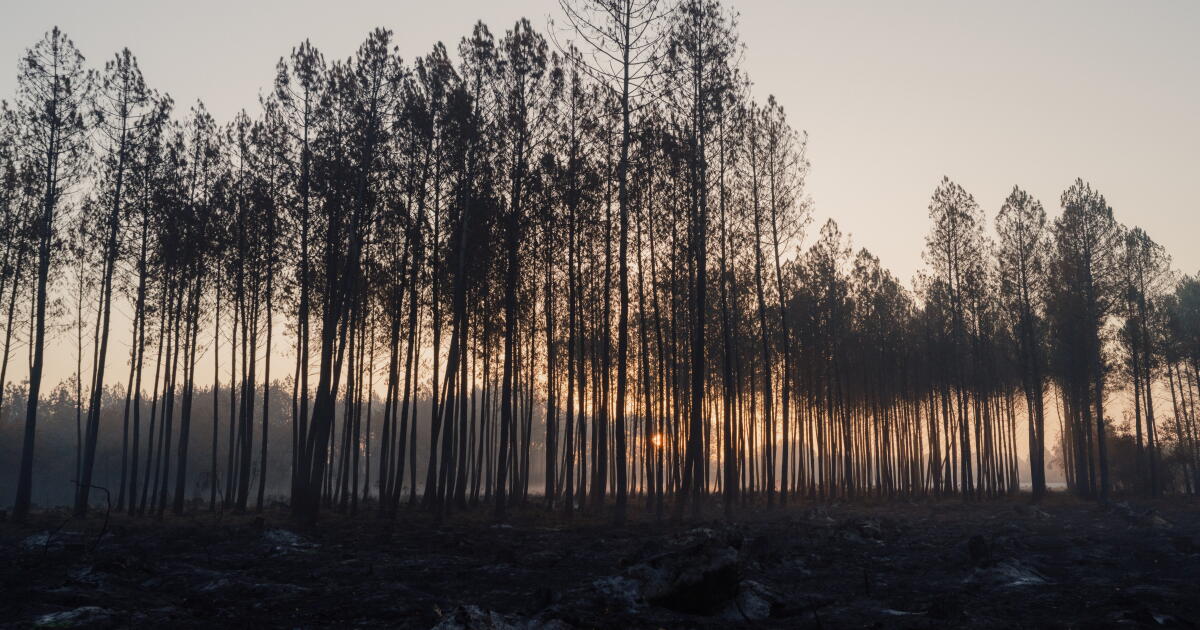
This summer, a massive wildfire in Le Porge, France, led to the evacuation of over 200,000 people and the destruction of 183 homes. The fire, fueled by dense pine forests, raised concerns about the risks of building in fire-prone areas. The rapid expansion of suburbs into rural territories has exacerbated the threat of wildfires in regions like Bordeaux, where the forest meets the coast. The devastation in Le Porge highlighted the inadequacy of France's fire safety system in combating mega-fires exacerbated by climate change.
The historical context of the Landes de Gascogne forest, once a swamp transformed into a vast pine forest, underscores the economic importance of the region. The forest, now a major employer and revenue generator, has seen rapid development in its surroundings, with new homes and industries encroaching on its borders. The influx of residents and tourists has led to increased fire hazards, challenging the traditional fire prevention measures in place.
The impact of global warming on Europe, with temperatures rising significantly above pre-industrial levels, has heightened the risk of wildfires. The extreme heat and drought experienced in France this summer set the stage for the catastrophic fire in Le Porge. The response to the fire revealed shortcomings in the existing fire safety infrastructure and raised questions about the need for enhanced firefighting capabilities and resources.
Efforts to address the fire risks in the Bordeaux region include proposals to thin the forest, widen fire breaks, and create buffer zones around towns. However, these measures require cooperation from tree owners and significant investments in forest management. President Emmanuel Macron's pledge to rebuild a more resilient forest faces challenges due to the economic interests of forest stakeholders and the need for government intervention in land management.
Comparisons with California's approach to wildfire prevention highlight the need for stricter regulations and enforcement of fire safety measures in France. While brush clearance rules exist, their enforcement has been limited, leaving properties vulnerable to fire hazards. The recent climate resilience law aimed at slowing down rural development shows progress, but more comprehensive measures are needed to mitigate the growing threat of wildfires in France.
In conclusion, the wildfires in Le Porge underscore the urgent need for France to reassess its approach to forest management and fire prevention. As climate change intensifies fire risks, proactive measures, including forest thinning, enhanced fire safety infrastructure, and stricter enforcement of regulations, are essential to protect communities living in fire-prone areas. France must learn from past disasters and prioritize sustainable land management practices to safeguard its forests and residents from future wildfire threats.