Insight into Iceland's Decision: Referendum Results on EU Membership
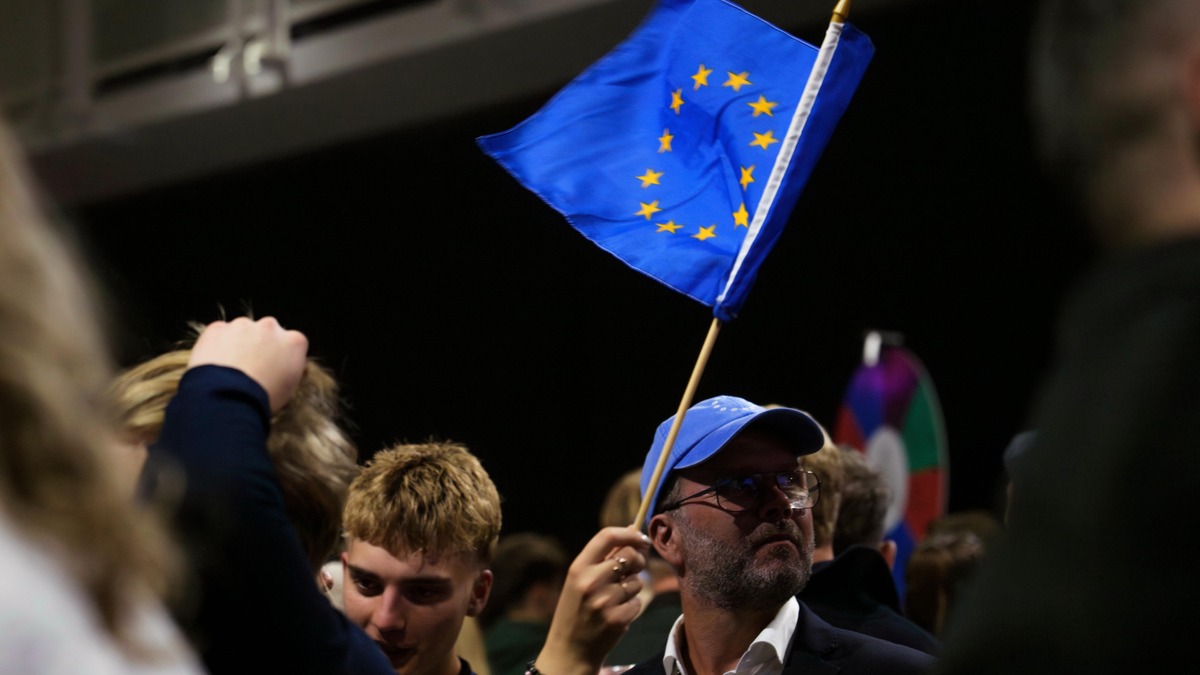
Iceland has voted against a referendum that would have reignited discussions about joining the European Union, effectively putting an end to the long-debated issue for the second time. The vote results showed a 52.5% majority against the EU, with only one constituency left to report its results, making it highly unlikely for the outcome to change. The referendum was prompted by concerns over US President Donald Trump's threats towards Greenland, leading some voters to see European solidarity as a form of protection.
The left-leaning coalition government of Iceland, elected in 2024, accelerated the EU referendum after President Trump's remarks about Greenland, which mistakenly included Iceland. The referendum posed a straightforward question to eligible voters: Should Iceland resume negotiations to join the European Union? Opponents of EU membership highlighted the benefits Iceland already enjoys from being part of the EU's single market and the Schengen free-travel zone, without compromising its sovereignty. They argued that Iceland could negotiate its own trade agreements, like the one with China, rather than being constrained by EU regulations.
Supporters of EU membership pointed out potential economic advantages, such as lower inflation and interest rates, as well as increased stability through adopting the euro. They also emphasized the importance of closer cooperation with European neighbors to address global challenges like climate change that transcend national borders. Despite the arguments on both sides, the majority of Icelandic voters have chosen to maintain their current relationship with the European Union.
In conclusion, Iceland's recent referendum on EU membership has reaffirmed the country's decision to remain outside the European Union. The vote reflects the complex considerations of Icelandic voters regarding economic benefits, sovereignty, and international relations. While the debate on EU membership may resurface in the future, for now, Iceland has chosen to prioritize its existing partnerships and independence.