Climate Change Impacts: The Disappearing Island in Williston Reservoir and Global Trends
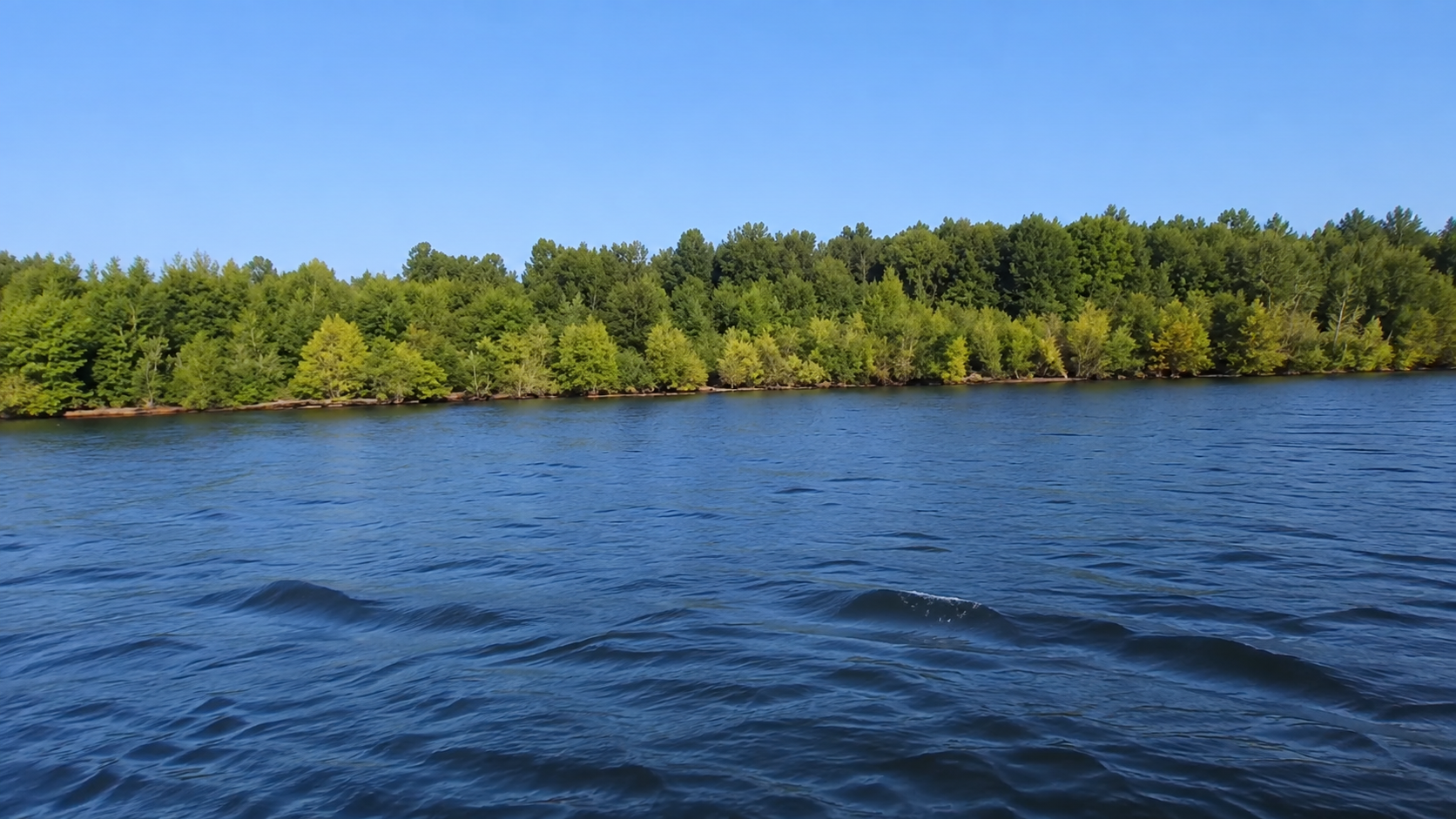
A large island in northern British Columbia broke loose from the Williston Reservoir, causing concern for boaters and raising questions about monitoring debris in the area. The island, roughly the size of two NFL football fields, was initially spotted on satellite imagery but has since disappeared from view. The reservoir, behind the W.A.C. Bennett Dam, experienced its highest water level in 14 years this summer, leading to the island's detachment. B.C. Hydro officials believe the island formed over time from shoreline driftwood and vegetation, eventually breaking away due to rising water levels and strong winds.
The sudden movement of the island in the Williston Reservoir is part of a larger global trend where landmasses are becoming unstable due to climate-driven changes. Rising sea levels, erosion, and extreme weather events are causing islands to erode, break apart, or vanish entirely. This phenomenon is not unique to Canada, as other countries like Tuvalu and Palau are also facing similar challenges with disappearing landmasses. The event in the Williston Reservoir highlights the impact of climate change on water levels and coastlines worldwide.
Floating islands, like the one in the Williston Reservoir, can pose hazards to boaters and infrastructure. Debris from these islands can damage boats, clog spillways, and interfere with hydroelectric operations if not monitored closely. B.C. Hydro is keeping a close eye on the situation to ensure there are no operational impacts from the drifting island. Local residents have reported an increase in debris this year, making boating more dangerous in the area. Similar hazards are affecting island nations globally, with extreme weather events like hurricanes causing significant damage and displacement of communities.
In conclusion, the detachment of the island in the Williston Reservoir serves as a reminder of the changing landscape due to climate change. Monitoring and managing floating islands and debris in water bodies are essential to ensure the safety of boaters and the integrity of infrastructure. As climate-driven extremes intensify, it is crucial to address the challenges posed by disappearing landmasses and their potential impacts on local communities and ecosystems.