Assessing the Economic Impact of Recent Military Actions on the Global Economy
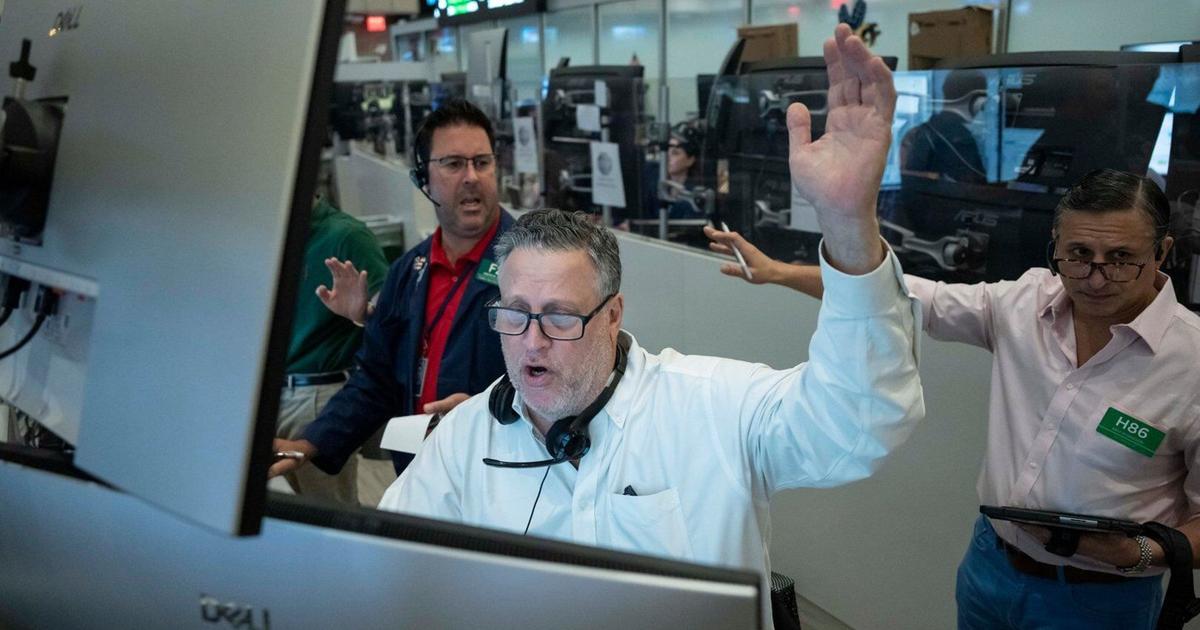
The recent military actions by the U.S. and Israel against Iran raised concerns about the potential impact on the global economy. Many feared that the conflict would lead to skyrocketing oil prices, a worldwide recession, and economic disaster. However, after six months of war, the worst-case scenarios have not materialized, although the global economy has still been affected.
The initial fears of a catastrophic economic fallout from the conflict have not fully materialized. While the world economy has not escaped unscathed, the dire predictions of a global recession and economic collapse have not come to pass. The impact of the war on the economy has been significant, but not as severe as initially feared.
One of the key concerns during the conflict was the potential for a sharp increase in oil prices. However, despite the ongoing military actions, the oil market has remained relatively stable. While there have been fluctuations in oil prices, the feared surge in prices has not materialized, providing some relief to the global economy.
The war has had a ripple effect on various sectors of the economy, leading to disruptions in supply chains, fluctuations in financial markets, and uncertainty among investors. The ongoing conflict has created a sense of instability in the global economy, impacting businesses and consumers alike.
As the conflict continues, the global economy remains on edge, with uncertainty looming over the future. While the worst-case scenarios have not come to pass, the economic impact of the war is still being felt around the world. It is crucial for policymakers, businesses, and individuals to closely monitor the situation and adapt to the evolving economic landscape.
In conclusion, the ongoing conflict between the U.S., Israel, and Iran has had a significant impact on the global economy. While the worst fears of a worldwide recession and economic catastrophe have not materialized, the war has created disruptions and uncertainties that continue to affect various sectors. As the conflict persists, it is essential for stakeholders to remain vigilant and responsive to the changing economic conditions.