Drone-Assisted Pet Rescues: Revolutionizing Animal Control Operations in Orange County
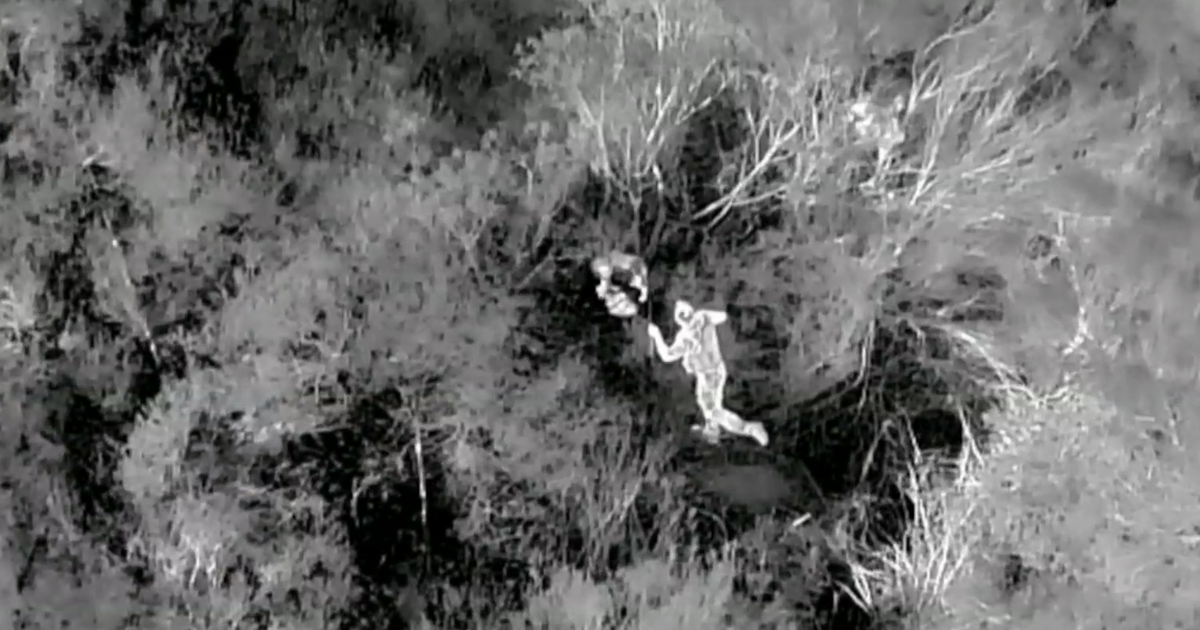
In Southern California's Orange County, a heartwarming rescue mission unfolds on a freeway. Instead of pursuing a suspect, authorities are on a mission to save a lost terrier. A drone is deployed to locate the dog in the carpool lane, leading ground units to the spot swiftly. This innovative approach has revolutionized lost pet searches, reducing the time from days or weeks to mere minutes. The drone's advanced technology, including lasers and thermal imaging, enables it to detect animal heat signatures over vast areas, making rescues more efficient and effective.
One remarkable rescue involved a dog named Lana, where the drone played a crucial role in locating her in dense brush that would have been impossible to navigate manually. The drone's ability to pinpoint the dog's location guided the rescue team to her, showcasing the invaluable impact of this technology in reuniting lost pets with their owners. Another heartwarming story features a skittish dog named Josie, whose whereabouts were successfully tracked using the drone, leading to a touching reunion with her owner. These successful rescues highlight the life-saving potential of drone technology in animal control operations.
The drone, with a price tag of nearly $17,000 funded by private donations, has proven its worth in numerous rescue missions. Its ability to swiftly locate lost pets and facilitate their safe return to their families has garnered interest from other agencies seeking to adopt this innovative tool. The positive outcomes of these rescue operations underscore the significant impact of the drone in reuniting beloved pets with their owners. The investment in this technology is deemed invaluable, as it serves a noble purpose of bringing families back together in moments of distress and uncertainty.
In conclusion, the use of drones in animal control operations has revolutionized the search and rescue process for lost pets, significantly reducing the time and resources required to locate them. The success stories of Lana and Josie exemplify the life-saving potential of this technology in reuniting pets with their owners. The drone's advanced capabilities, funded by private donations, have proven to be a valuable asset in animal control efforts, prompting interest from other agencies. The positive impact of the drone in reuniting families with their beloved pets underscores its worth and the invaluable role it plays in safeguarding animal welfare.