Driving Safety Initiative: The Success of Albuquerque's 'Rest on Red' Signal Program
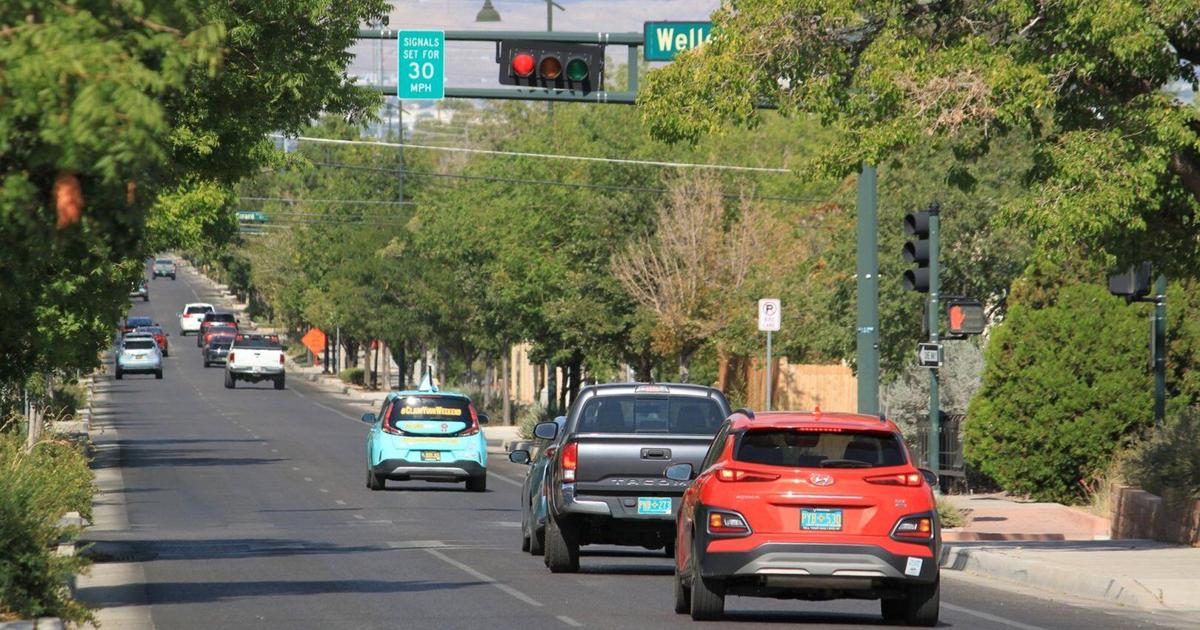
Authorities in Albuquerque, New Mexico, faced challenges in reducing high-speed accidents on a residential road. Traditional methods of penalizing speeding drivers were ineffective. Instead, a new approach of incentivizing compliance by reducing red lights for law-abiding drivers proved successful. This innovative strategy aimed to promote safer driving habits and reduce accidents. The initiative, known as the “rest on red” signal program, was implemented to improve road safety and encourage responsible driving behaviors.
The “rest on red” signal program introduced on Lead Avenue in Albuquerque, New Mexico, aimed to address the issue of high-speed crashes along the residential corridor. By rewarding drivers who adhered to the speed limit with fewer red lights, the program sought to create a safer driving environment. The initiative focused on incentivizing compliance rather than solely relying on punitive measures to deter speeding. Through this innovative approach, officials hoped to reduce accidents and promote responsible driving habits among motorists.
The implementation of the “rest on red” signal program on Lead Avenue in Albuquerque, New Mexico, marked a shift in addressing high-speed crashes along the residential corridor. By reducing the number of red lights for law-abiding drivers, the program aimed to encourage safer driving practices and decrease the likelihood of accidents. This proactive approach sought to reward responsible motorists and promote adherence to speed limits. The initiative was designed to create a more secure road environment and foster a culture of compliance among drivers.
In conclusion, the “rest on red” signal program in Albuquerque, New Mexico, represented a novel approach to addressing high-speed crashes along a residential corridor. By rewarding law-abiding drivers with fewer red lights, the initiative aimed to promote safer driving habits and reduce accidents. This innovative strategy focused on incentivizing compliance and encouraging responsible behavior on the road. Through the implementation of this program, officials sought to create a more secure driving environment and enhance road safety for all motorists.