Tracking the 2026 Atlantic Hurricane Season: From Arthur to Dolly and Beyond
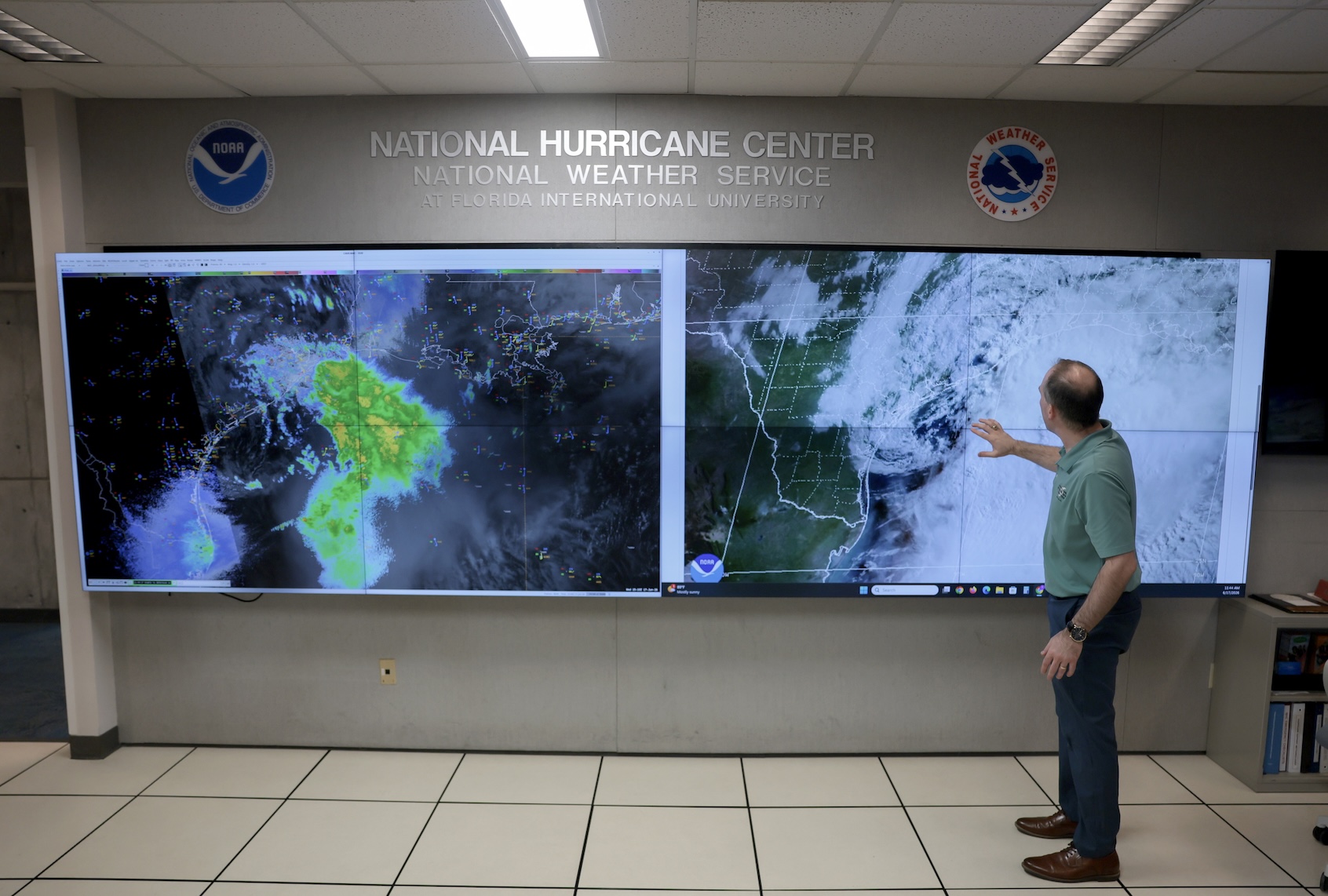
The 2026 Atlantic hurricane season is well underway, with storm trackers monitoring potential storms near Cape Verde. The first three tropical storms, Arthur, Bertha, and Cristobal, caused damage in Florida and Texas, but did not strengthen into hurricanes. The latest storm, Dolly, has been officially named and is being closely watched. The naming of storms is done by the World Meteorological Organization, with upcoming names including Edouard, Fay, and Gonzalo. While there is speculation about Hurricane Dolly hitting Palm Beach, the odds are low, and the focus is on the potential impact.
The tradition of naming storms has evolved over time, from using Catholic saints' names to code names by the U.S. military. Last year, the U.S. mainland was spared from hurricanes, but this year poses a different threat. Climate change, fueled by fossil fuel emissions, is creating conditions for more intense storms. The Pacific Ocean is also at risk of hurricanes due to El Niño, increasing the likelihood of major storms hitting California, Mexico, or Hawaii. Hurricane Lala, a recent storm, caused significant damage in Hawaii, highlighting the impact of climate change on extreme weather events.
The combination of El Niño and climate change is leading to record-breaking temperatures and more frequent extreme weather disasters. While the idea of Hurricane Dolly hitting Mar-a-Lago may seem ironic, it underscores the real dangers posed by climate change. Perhaps naming hurricanes after fossil fuel companies could raise awareness about the impact of human activities on the environment. As we face the challenges of a changing climate, it is essential to take action to mitigate the risks and protect vulnerable communities from the devastating effects of extreme weather events.