Rescue Efforts Amidst Catastrophic Flash Flood: Nepal-China Border Crisis
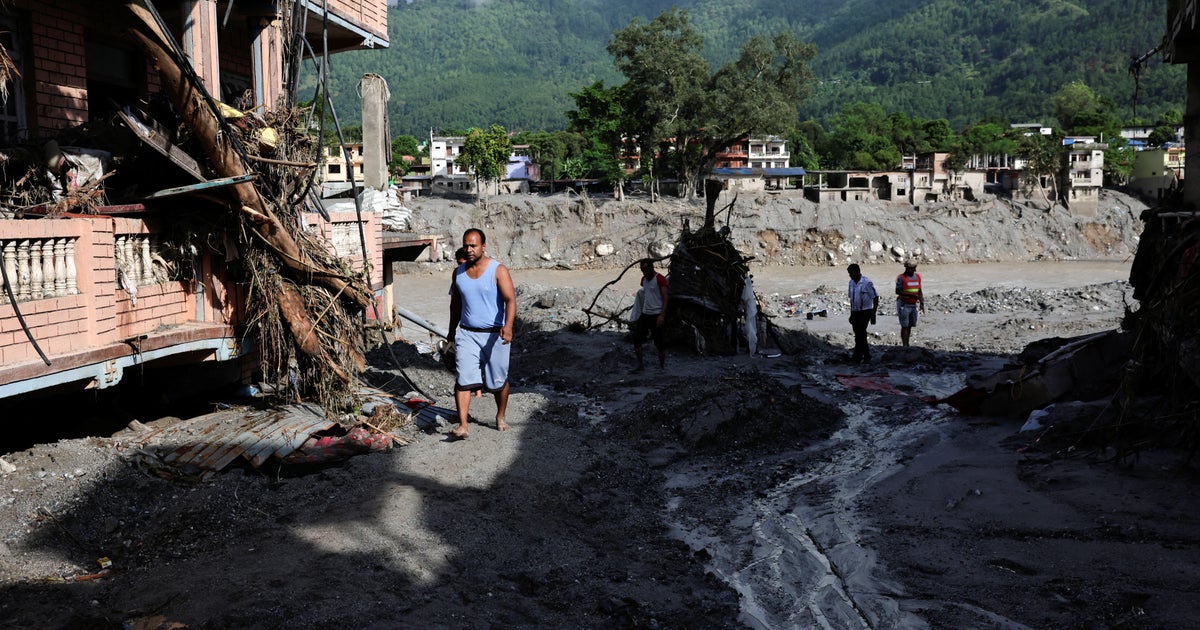
Rescue efforts in the aftermath of a catastrophic flash flood along the Nepal-China border were temporarily halted due to concerns about a newly formed, overflowing lake that could lead to further flooding in the devastated areas. The death toll in Nepal rose to 469, with hundreds still missing, while China reported only three deaths in Tibet. The two countries combined have over 1,500 people missing, prompting warnings of potential flooding in the region.
Authorities in Nepal and China raised alarm about the overflowing lake formed behind debris piles after the disaster, urging residents in at-risk areas to move to safer locations. The lake held around 70 million cubic feet of water and was expected to receive an additional 106 million cubic feet in the coming days, heightening fears of more flooding. Efforts were made to inspect the Bhotekoshi River and rescue stranded individuals near the Nepal-China border.
The Nepal Army conducted airlift operations to evacuate 3,253 people from the disaster zone, including foreigners, trekkers, and pilgrims. Survivors were transported to Kathmandu and other locations for medical treatment. The rescue mission faced challenges, with reports of people trapped inside a tunnel near the Nepal-China border, necessitating specialized efforts to locate and rescue them.
Videos of the devastating flood showed the destructive force of the rushing waters, which swept away buildings, bridges, and vehicles, leaving behind a trail of destruction. Survivors recounted harrowing experiences of narrowly escaping the disaster, with many still missing or unaccounted for. The impact of the flood was likened to a tsunami, causing widespread devastation in the affected areas.
The tragic event has left families and communities reeling from the loss of loved ones and the uncertainty surrounding the missing individuals. Efforts to locate and rescue those stranded in the disaster zone continue, with international support and resources being mobilized to assist in the recovery and relief operations. The aftermath of the flash flood serves as a stark reminder of the destructive power of natural disasters and the importance of preparedness and response measures to mitigate their impact.