Federal Judge Rejects Trump DOJ's Attempt to Dismiss Steve Bannon's Contempt Conviction: Legal Implications and Uncertainties
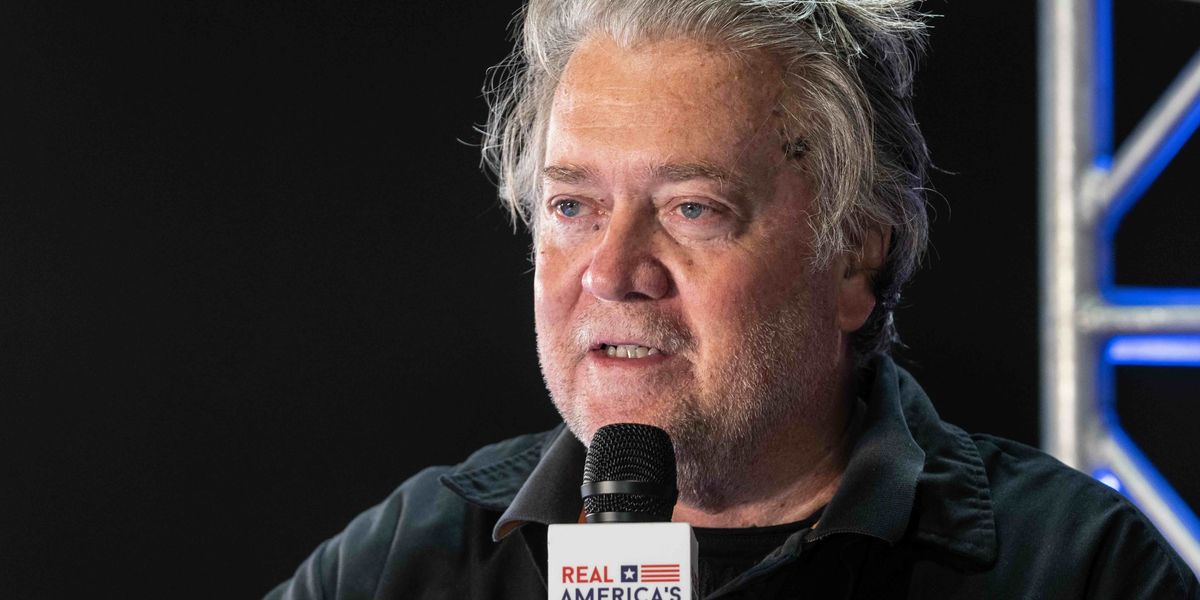
A federal judge rejected the Trump Justice Department's attempt to dismiss Steve Bannon's contempt of Congress conviction. Bannon, a close ally of former President Donald Trump, was found guilty of defying a subpoena from the House January 6 Committee. Despite serving four months in prison, the Trump DOJ sought to drop the case without providing a clear explanation. U.S. District Judge Carl Nichols, appointed by Trump, deemed the DOJ's reasoning insufficient, emphasizing the need for a more detailed explanation in the future.
The DOJ's motion to dismiss Bannon's indictment lacked substantive reasoning, with the sole justification being "in the interests of justice." Judge Nichols criticized this vague statement as inadequate under federal rules governing dismissed indictments. While leaving room for the DOJ to refile with a proper explanation, Nichols highlighted a significant legal issue. A 2025 appeals court ruling established that the government cannot dismiss a case once a judgment has been entered without vacating the judgment first. Since Bannon's conviction was not technically vacated, despite the Supreme Court's decision, the DOJ must address whether this precedent prevents them from dropping the case.
As it stands, Bannon's contempt of Congress conviction remains valid, prompting prosecutors to revisit their justification for seeking dismissal. The judge's ruling requires the DOJ to provide a more substantive explanation for their decision, raising questions about the legal implications of dismissing a case with an existing judgment. The outcome leaves Bannon's fate uncertain, with the government compelled to clarify its position moving forward.