Release of Witness in Fatal Shooting Case Sparks Legal Battle: Daniel Tirado Pantoja Ordered Freed from Federal Custody
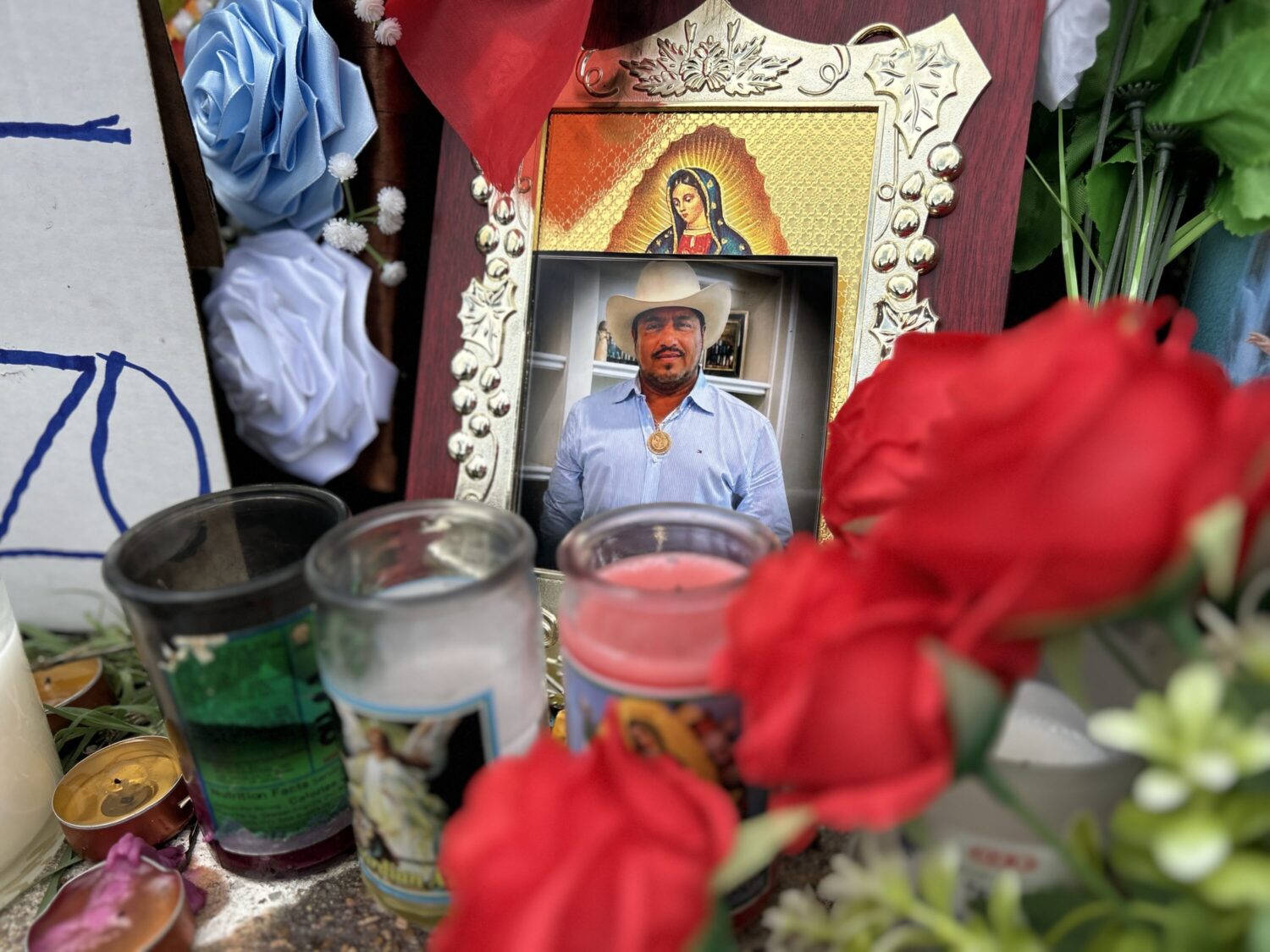
Daniel Tirado Pantoja, a witness to the fatal shooting of Lorenzo Salgado Araujo by an immigration officer, has been ordered to be released from federal custody within 48 hours. This decision was made on Monday, and the U.S. Attorney's office is expected to appeal the ruling. Pantoja, along with Jose Trinidad Rojas Pliego and Victor Hugo Salgado Araujo, was in the van when Lorenzo was shot and killed by an ICE agent in Houston on July 7. Pantoja's attorney, Gabriela Rivero, emphasized the importance of upholding the Constitution in this case, expressing satisfaction with the court's decision.
Following the release of Pliego last month, Pantoja becomes the second witness to be freed from federal custody. The U.S. Attorney's Office for the Southern District is likely to challenge the decision, citing a recent case that could impact the outcome. However, Judge Alfred H. Bennett noted that Pantoja has no criminal record, is not a flight risk, and does not pose a threat to the community, leading to his release order. The shooting of Salgado Araujo has generated significant community outrage and national attention, shedding light on the circumstances surrounding the incident.
The shooting took place during what ICE described as a "targeted enforcement operation," with conflicting accounts of the events leading to Salgado Araujo's death. While ICE claimed self-defense, the passengers in the vehicle, including Pantoja, disputed this narrative. The New York Times later reported that the individuals in the van were not the intended targets of ICE's operation. The release of witnesses like Pantoja and Pliego has raised questions about the handling of the case and the broader implications for immigration enforcement practices.