Operation Epic Fury: The Consequences of Trump's Attack on Iran
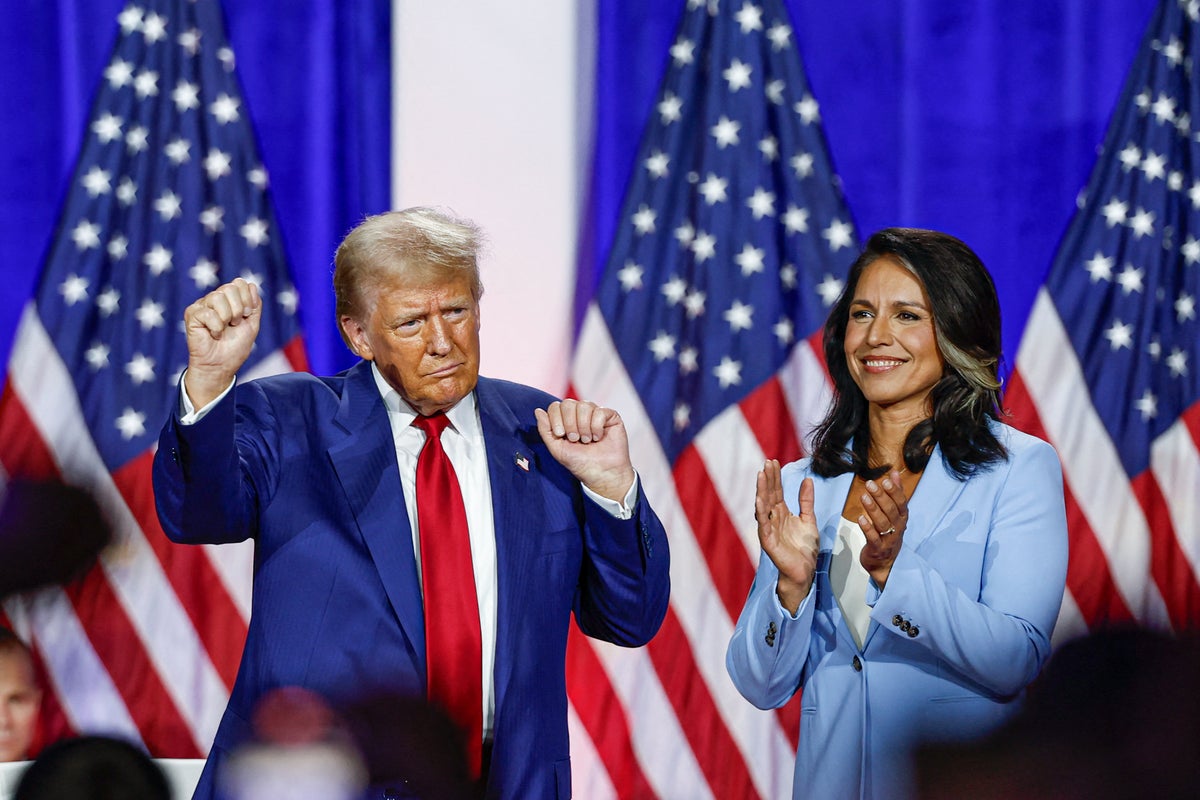
The U.S. intelligence chiefs cautioned President Donald Trump against launching an attack on Iran in February, warning that it could lead to unintended consequences. The president, buoyed by previous successful military actions, sought advice on a proposed assault. Israeli Prime Minister Benjamin Netanyahu advocated for military action, claiming Iran was vulnerable. However, military experts and Vice President JD Vance advised against it, citing potential casualties and retaliation from Iran.
Despite the warnings, Trump was persuaded by his Defense Secretary, Joint Chiefs Chairman, and the head of U.S. Central Command to proceed with Operation Epic Fury on February 28. The operation aimed to disable Iran with Israel's assistance. The initial euphoria of killing Ayatollah Ali Khamenei quickly faded as Iran retaliated by shutting off the Strait of Hormuz and targeting American allies. Trump's efforts to negotiate a peace agreement have been unsuccessful, leading to the imposition of economic sanctions to pressure Iran.
With casualties on both sides, high oil prices, and damaged American assets, Trump faces challenges in ending the conflict without losing face. The White House spokesperson emphasized Trump's determination to prevent Iran from acquiring nuclear weapons and urged Iran to reach a deal. The situation remains tense as efforts to resolve the conflict continue.