U.S. Government Reopens Border Crossing in Arizona for Mexican Cattle: Impact on Beef Prices and Market Stability
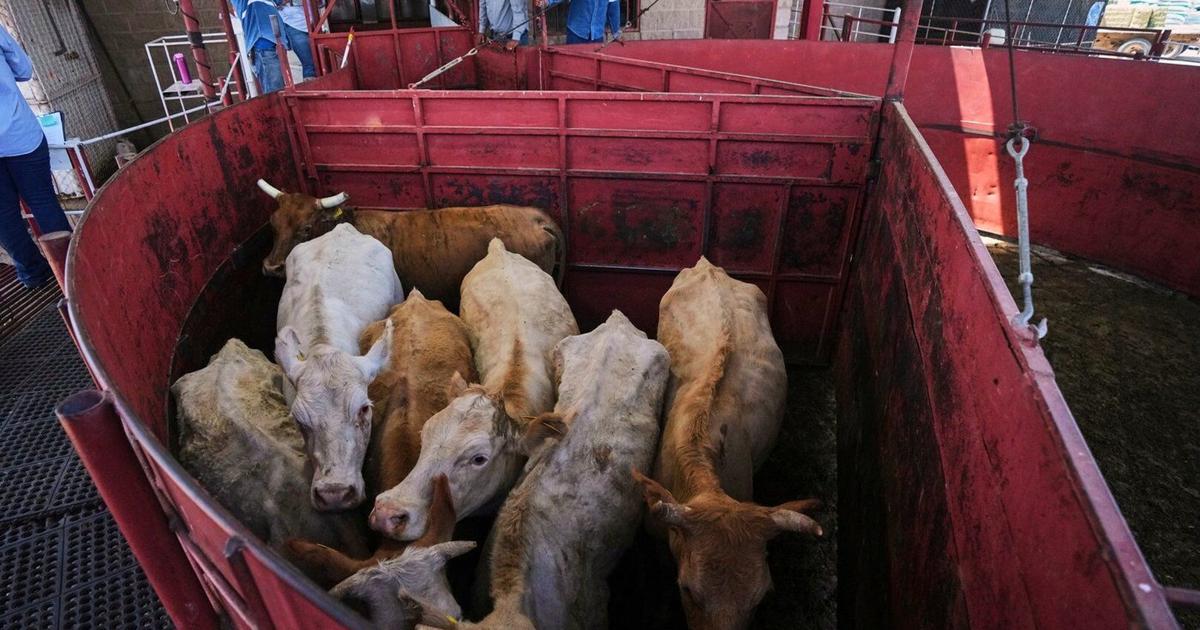
The U.S. government is set to reopen a border crossing in Arizona to allow cattle from Mexico to enter the country on Monday. This decision is part of the Trump administration's efforts to lower the high beef prices currently affecting the market. Economists, however, are skeptical about the impact this move will have on grocery store prices.
The U.S. Department of Agriculture has indicated that concerns regarding the spread of the New World screwworm have decreased sufficiently to permit the transportation of Mexican cattle through the Douglas crossing in Arizona, located approximately 230 miles southeast of Phoenix. The long-term goal is to also reopen other border crossings in New Mexico and Texas.
This decision to reopen the border crossing for Mexican cattle is aimed at addressing the record-high beef prices in the U.S. market. While the move is expected to benefit the cattle industry, its impact on grocery store prices remains uncertain. The Trump administration's broader efforts to reduce beef prices will likely involve additional measures beyond reopening border crossings.
In conclusion, the reopening of the border crossing in Arizona for Mexican cattle is a significant step in the Trump administration's strategy to lower beef prices in the U.S. market. However, the ultimate impact on grocery store prices and consumers remains to be seen. The decision reflects ongoing efforts to address economic challenges in the cattle industry and stabilize the beef market.