Revitalizing the Brooklyn-Queens Expressway: Plans for a Temporary Highway and Comprehensive Reconstruction
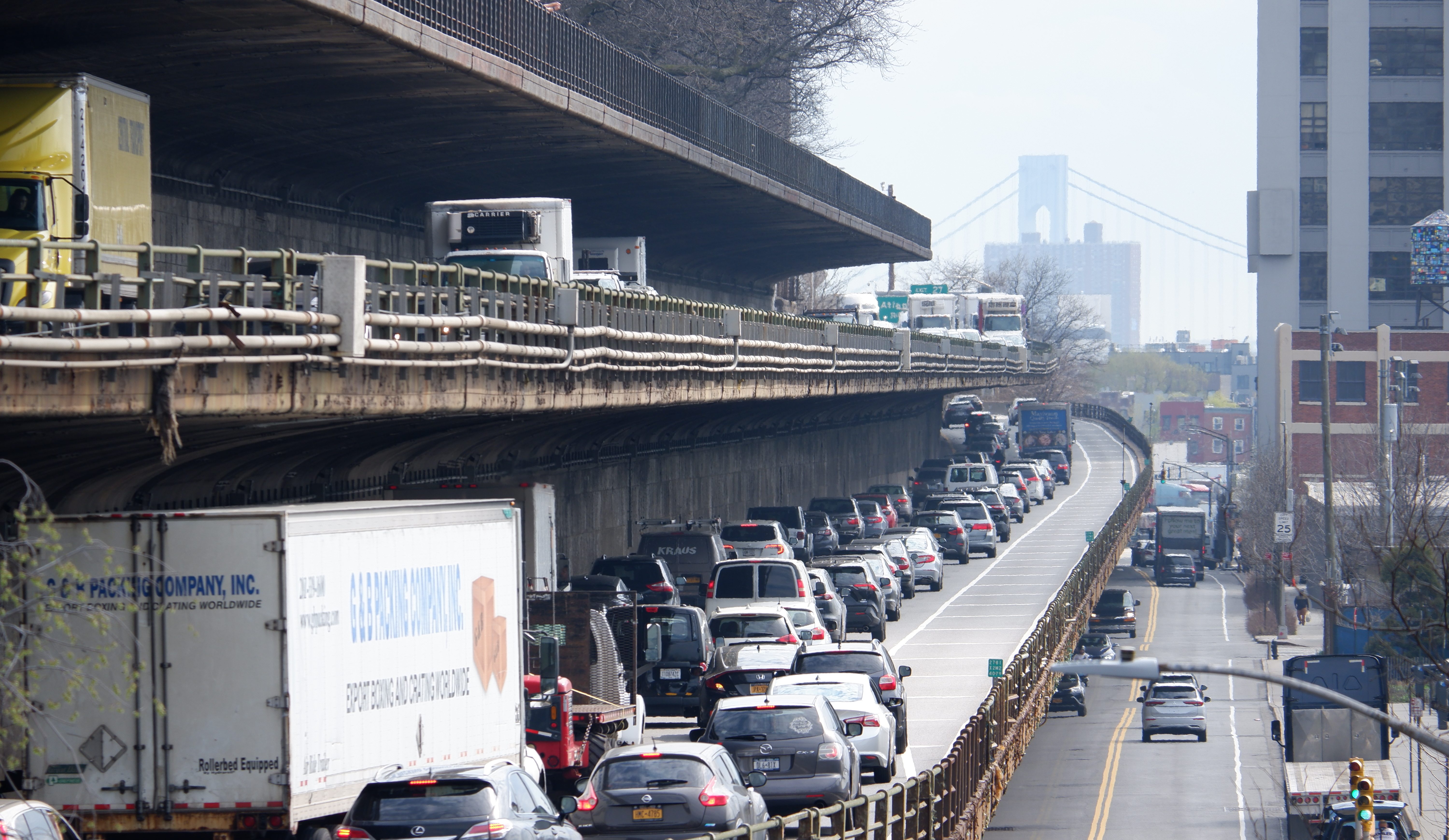
New York City officials have announced plans to construct a temporary highway next to Brooklyn Bridge Park to facilitate the rebuilding of a deteriorating section of the Brooklyn-Queens Expressway. The project aims to address the crumbling triple-cantilever beneath the Brooklyn Heights Promenade, with the closure of the highway expected during the 2030s. The temporary highway on Furman Street will accommodate the daily traffic flow of 130,000 vehicles and is projected to cost up to $4 billion.
The decision to implement a temporary highway as part of the BQE reconstruction marks a significant infrastructure initiative under Mayor Zohran Mamdani's administration. The plan, which will span a decade, seeks to address the longstanding challenges posed by the deteriorating triple-cantilever structure. Despite potential opposition from local residents and anti-car activists, city officials are moving forward with the construction project to ensure the safety and functionality of the roadway.
City Transportation Commissioner Michael Flynn emphasized the need for a comprehensive rehabilitation of the BQE, highlighting the limitations of interim repairs that have been implemented in recent years. The new plan involves the construction of a temporary roadway above Furman Street, which will divert traffic from the existing BQE between Atlantic Avenue and Sands Street. The goal is to complete the restoration of the highway section by 2040, following the construction of the temporary roadway starting in 2030.
The deteriorating condition of the triple-cantilever structure, originally built in the 1950s, has prompted city officials to prioritize the reconstruction efforts. The plan includes replacing deck joints, concrete, and rebar, as well as enhancing drainage, railings, and lighting to ensure the longevity of the rebuilt structure. While sections of the promenade may need to close during construction, officials have committed to maintaining at least one portion open to the public.
In preparation for the extensive construction project, the transportation department plans to hire an assistant commissioner to oversee the work. The environmental impact statement for the project is set to be prepared next year, with the city's land review process expected to conclude by 2028. City officials are determined to address the urgent infrastructure needs of the BQE while minimizing disruptions to surrounding communities and ensuring the safety of the roadway.
In conclusion, the reconstruction of the Brooklyn-Queens Expressway's triple-cantilever structure is a critical infrastructure project that aims to address the long-standing deterioration of the roadway. The implementation of a temporary highway and comprehensive rehabilitation plan under Mayor Mamdani's administration reflects a proactive approach to ensuring the safety and functionality of the BQE for years to come. By prioritizing the reconstruction efforts and engaging in thorough planning processes, city officials are committed to revitalizing this vital transportation artery in New York City.