Deported Veteran: The Case of Benito Miranda Hernandez and the Challenges Faced by Returning Soldiers
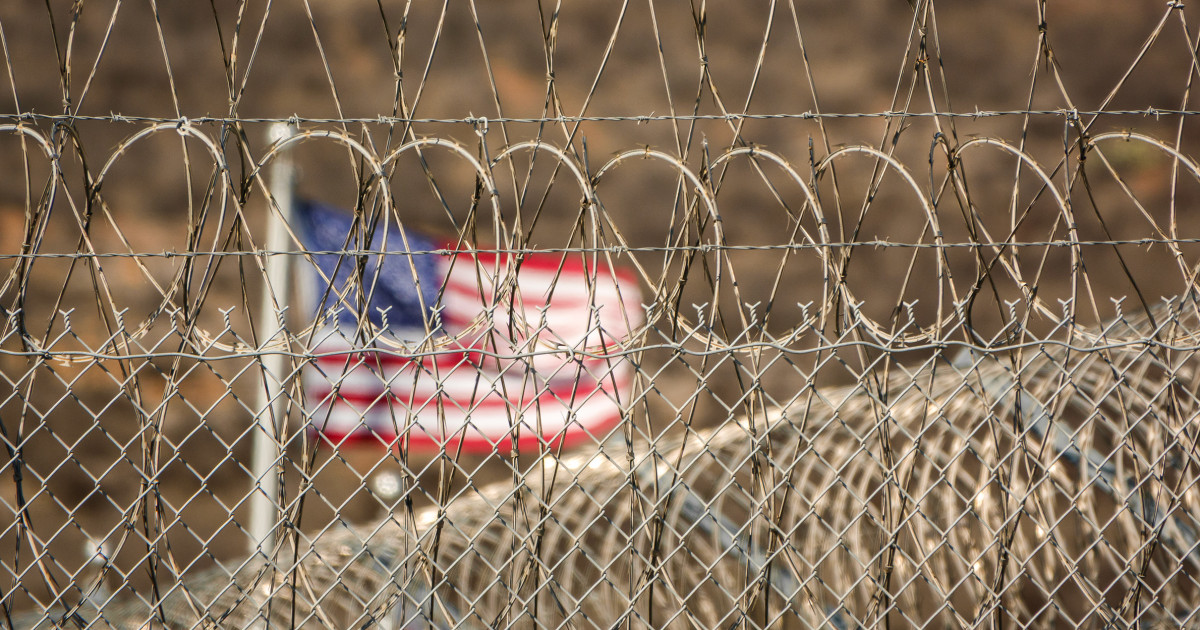
A Navy veteran who served during the Iraq War is currently detained at the Otay Mesa Detention Center, facing potential deportation. Benito Miranda Hernandez, who immigrated to the U.S. from Mexico as a child, served three tours of duty in Iraq. His mother, Maria Miranda, expressed concern about his changed behavior upon returning from deployment, attributing it to the lack of support for returning veterans.
Hernandez has a significant criminal record, including felony drug and weapons convictions and probation violations in Virginia and California. His mother highlighted the impact of his military service on his behavior, citing his struggle with PTSD. Advocates like Hector Barajas, a deported Army veteran turned U.S. citizen, emphasized the need to support veterans with mental health issues instead of deporting them.
The Council on Criminal Justice reported that a third of military veterans have a history of arrest, possibly due to challenges transitioning to civilian life. James L. Smith II, an Army veteran, stressed the importance of providing care and support for veterans like Hernandez. Despite efforts to reintegrate Hernandez into society through a reentry program, he was taken into custody by immigration authorities upon completion.
Advocates celebrated when Hernandez's green card was reinstated, but his detention by ICE in June dashed their hopes for his successful reintegration. The advocates criticized the government for not adequately supporting veterans like Hernandez and for the lack of consistency in their treatment of immigrant veterans. Hernandez's detention highlights the challenges faced by deported veterans trying to rebuild their lives.
In conclusion, the case of Benito Miranda Hernandez underscores the need for better support and care for veterans struggling with mental health issues and legal challenges. Advocates like Hector Barajas and James L. Smith advocate for a more compassionate approach to veterans' reintegration into society, emphasizing the importance of not abandoning those who have served their country. The story of Hernandez serves as a reminder of the complexities faced by deported veterans and the need for a more comprehensive and humane approach to their care and treatment.