Understanding Postpartum Psychosis: Symptoms, Treatment, and Recovery
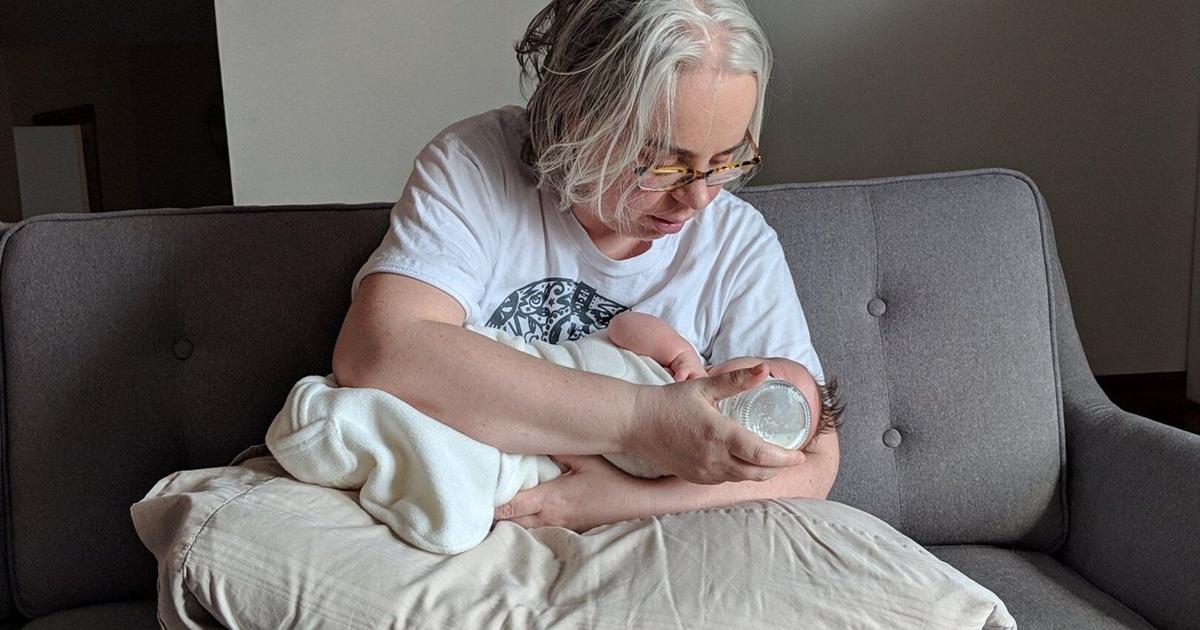
After giving birth, Bridget María Chesterton experienced a severe mental health crisis known as postpartum psychosis. She found herself in a state of confusion and disorientation, unable to grasp reality. This condition came to light in the case of Lindsay Clancy, a Massachusetts woman facing trial for the tragic act of strangling her three children. The question arises whether postpartum psychosis played a role in Clancy's actions.
Postpartum psychosis is a rare but serious mental health disorder that can affect new mothers, causing them to lose touch with reality and experience delusions or hallucinations. It typically occurs within the first few weeks after childbirth and requires immediate medical attention. The exact cause of postpartum psychosis is not fully understood, but hormonal changes, sleep deprivation, and stress are believed to be contributing factors.
Recognizing the symptoms of postpartum psychosis is crucial for early intervention and treatment. Symptoms may include confusion, hallucinations, delusions, extreme mood swings, and thoughts of harming oneself or others. It is essential for new mothers and their families to be aware of these signs and seek help if they suspect postpartum psychosis.
Treatment for postpartum psychosis often involves a combination of medication, therapy, and support from mental health professionals. Hospitalization may be necessary in severe cases to ensure the safety of the mother and her baby. With proper treatment and support, many women with postpartum psychosis can recover and resume their normal lives.
In conclusion, postpartum psychosis is a serious mental health condition that can have devastating consequences if left untreated. By raising awareness, recognizing the symptoms, and seeking help early, new mothers can receive the support they need to overcome this challenging condition and protect their well-being and that of their children.