Tick-Borne Threats in Martha's Vineyard: The Rise of Alpha-gal Syndrome and Its Impact on Residents
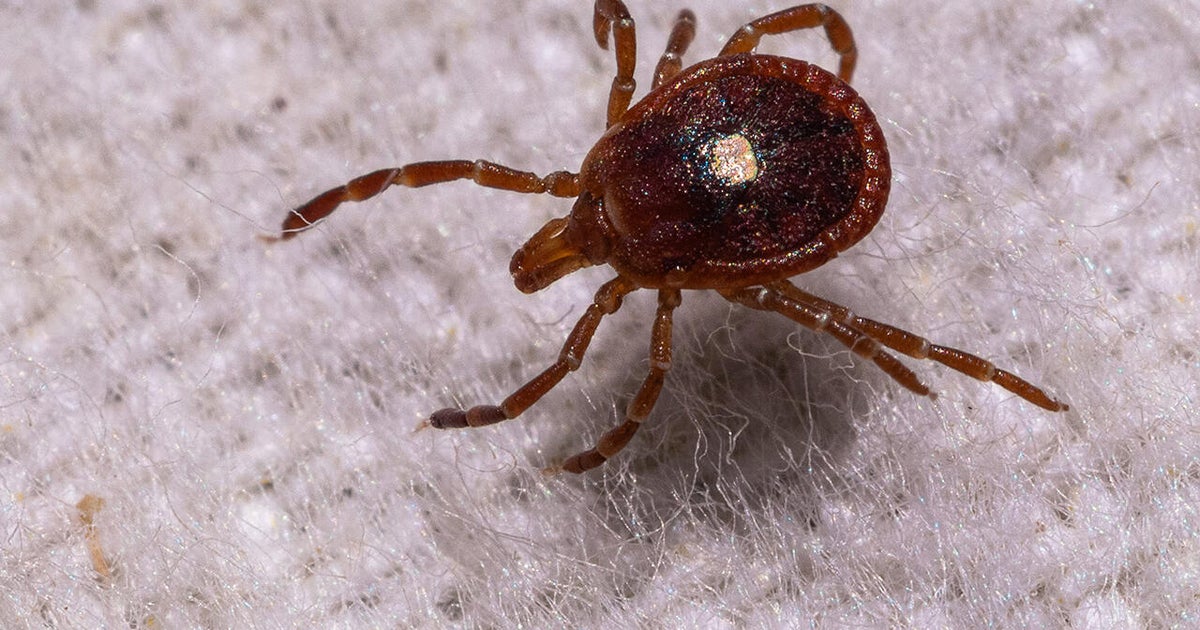
In 1975, a movie filmed in Martha's Vineyard created fear of going into the water, but today, a real threat in Martha's Vineyard is making people afraid to go outside. Ticks have been spreading diseases like Lyme disease, babesiosis, ehrlichiosis, and Rocky Mountain spotted fever for centuries. This year, emergency room visits for tick bites have reached a decade-high, with a new concern emerging: Alpha-gal syndrome, an allergy to meat caused by a tick bite. The syndrome has affected many residents of Martha's Vineyard, leading to severe allergic reactions and dietary restrictions.
Alpha-gal syndrome can trigger anaphylactic shock and allergies to dairy products or even the aroma of meat. People with the syndrome may react to products containing animal ingredients, affecting their daily lives and social interactions. The rise of Alpha-gal syndrome has forced residents like Ben DeForest to change their lifestyle and dining habits, with restaurants like the Red Cat Kitchen adapting to offer Alpha-gal friendly menus.
The lone star tick, carrying the sugar molecule responsible for Alpha-gal syndrome, has been spreading rapidly, particularly in the Northeast. Awareness of the syndrome has increased, shedding light on the prevalence of tick-borne diseases in various regions. Efforts to control tick populations, especially through deer management, are gaining traction as communities recognize the link between deer populations and tick infestations.
While not all tick bites result in diseases or Alpha-gal syndrome, precautions like using permethrin-treated clothing and conducting regular tick checks can help reduce the risk. Managing deer populations and implementing preventive measures can mitigate the spread of tick-borne illnesses. Despite the challenges posed by ticks and Alpha-gal syndrome, there is hope for recovery and a return to normal dietary habits with proper care and vigilance.