Resisting Economic Coercion: Canada's Standoff with the United States
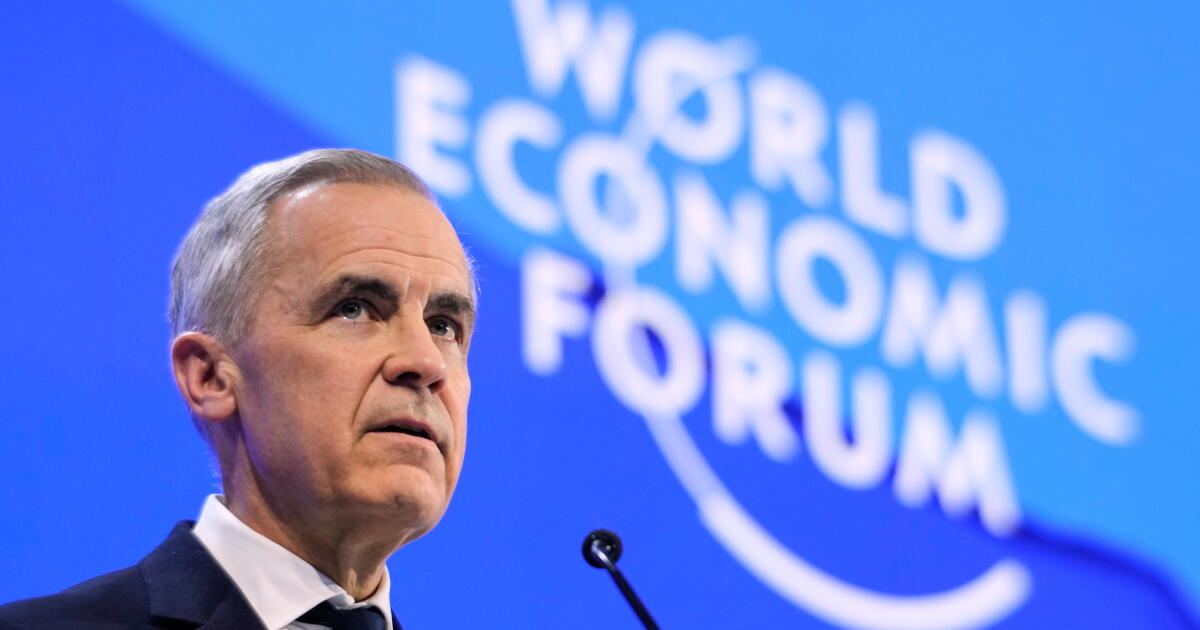
Canadian Prime Minister Mark Carney has been vocal about the need for middle powers to resist economic coercion from more powerful countries. The recent trade dispute with the United States is putting this theory to the test. After failed negotiations, the U.S. imposed tariffs on Canadian goods, prompting Canada to announce retaliatory measures. This standoff highlights the importance of standing up to economic pressure from great powers, even at a cost, and could influence how other countries respond to similar tactics.
The trade dispute has become a test of sovereignty for Canada, with the U.S. introducing demands that would restrict Canada's ability to make trade deals with other countries. This condition was deemed unacceptable and a threat to Canada's sovereignty. The prime minister's stance on this issue has resonated internationally, emphasizing the need for countries to withstand pressure from great powers and maintain their independence in trade negotiations.
Despite the economic challenges posed by the trade dispute, Canada is determined to stand its ground and not yield to U.S. pressure. The country's heavy reliance on the U.S. market makes it vulnerable to economic coercion, but Prime Minister Carney remains steadfast in his commitment to preserving Canada's independence. The ongoing confrontation underscores the importance of middle powers asserting their sovereignty in the face of economic threats.
In conclusion, the trade dispute between Canada and the United States is a critical test of Canada's ability to resist economic coercion and maintain its independence. Prime Minister Carney's firm stance on sovereignty and resistance to U.S. pressure reflects a broader global trend of middle powers standing up to great powers. The outcome of this confrontation will not only impact Canada's economic future but also set a precedent for how countries navigate the changing dynamics of international trade relations.