Navigating Treasury Yields and Economic Uncertainty: Neel Kashkari's Insights on the American Economy
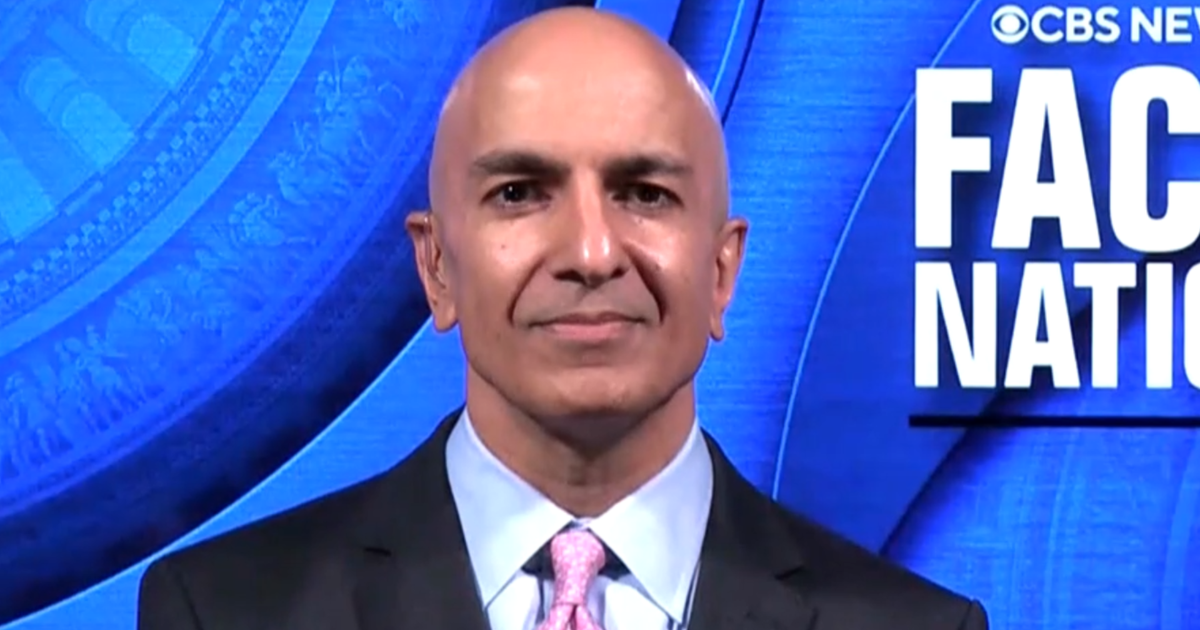
Neel Kashkari, the President and CEO of the Federal Reserve Bank of Minneapolis, was interviewed on "Face the Nation with Margaret Brennan" to discuss the current state of the American economy. Kashkari addressed concerns about the rising national debt, emphasizing that Treasury yields are influenced by various factors such as inflation, government borrowing, and economic growth. He highlighted the importance of monitoring these factors to understand the long-term implications on Treasury yields.
Regarding recent bond market volatility and interventions by Treasury Secretary Scott Bessent, Kashkari emphasized the Fed's focus on managing inflation rather than intervening in the Treasury debt market. He noted that the bond market's reaction could be linked to higher growth expectations globally, leading to increased yields. Kashkari acknowledged the diverse views on the market shifts and emphasized the need to assess the underlying factors driving these changes.
Kashkari underscored the role of fiscal actors in addressing the unsustainable debt trajectory, pointing to the Congressional Budget Office's forecasts as a reference. He emphasized the importance of designing a fiscal package to put the debt on a sustainable path, highlighting the Fed's commitment to achieving its dual mandate goals while incorporating fiscal decisions into economic forecasts.
When asked about potential rate hikes and the impact of geopolitical events like the conflict with Iran on inflation, Kashkari highlighted the uncertainty surrounding future decisions. He expressed concerns about the prolonged high inflation and emphasized the need for more data to assess the situation accurately. Kashkari acknowledged the potential impact of geopolitical factors on inflation and the Fed's mandate, emphasizing the importance of monitoring developments closely.
In conclusion, Kashkari emphasized the need for data-driven decisions, considering various economic factors and geopolitical events that could influence inflation and monetary policy. He highlighted the importance of addressing the national debt trajectory and trade tensions to ensure economic stability and sustainable growth in the long run.