AI Disruption in China's Job Market: Challenges and Opportunities
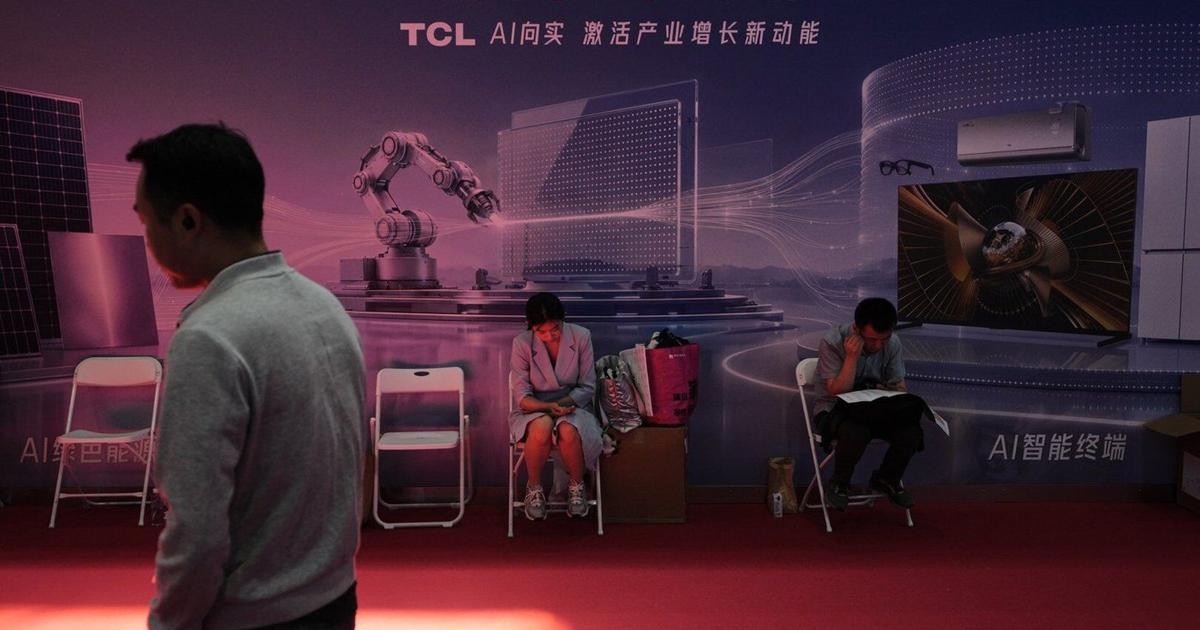
In Beijing, computer programmer Fei Zhaojun was laid off from his job along with 160 colleagues after his boss questioned whether artificial intelligence could replace humans in coding roles. This situation reflects a growing trend in China's job market, where government-backed AI initiatives are transforming the workforce. Economists are concerned that this shift could impact the country's economic stability.
The use of artificial intelligence in various industries is becoming more prevalent in China, leading to job displacements and restructuring. As AI technology advances, companies are exploring ways to automate tasks traditionally performed by humans. This shift is driven by government policies that promote innovation and technological development.
While AI offers efficiency and productivity gains for businesses, its widespread adoption raises concerns about job security for workers. The automation of tasks previously done by humans can lead to workforce reductions and job displacement. As companies embrace AI technologies, employees in various sectors face the risk of being replaced by machines.
The impact of AI on China's job market extends beyond the tech industry, affecting a wide range of sectors. From manufacturing to services, AI is reshaping job roles and workforce dynamics. As automation becomes more prevalent, workers across different industries are facing the challenge of adapting to a rapidly changing labor market.
In conclusion, the integration of artificial intelligence into China's job market is transforming the way businesses operate and the roles of workers. While AI offers opportunities for innovation and efficiency, it also poses challenges in terms of job security and workforce stability. As the country navigates this technological shift, policymakers and businesses must address the impact of AI on employment and develop strategies to support workers in a rapidly evolving labor market.