Racial Tensions and Legal Battles: The Karmelo Anthony Murder Trial in Texas
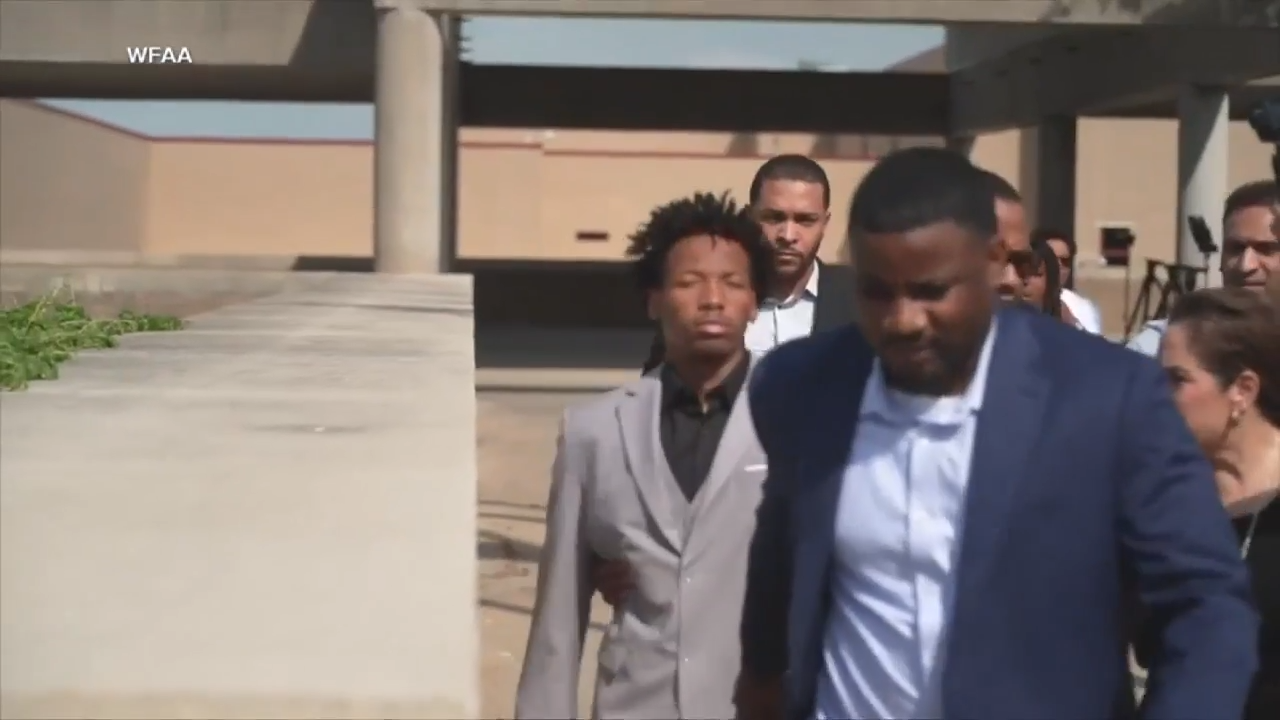
Karmelo Anthony, a 19-year-old teenager, faced a murder trial in Texas for the stabbing death of 17-year-old Austin Metcalf during a track meet confrontation. Anthony's defense team claimed that he had planned to testify but backed out due to concerns that prosecutors might introduce damaging evidence about his past. The trial, which resulted in a 35-year prison sentence for Anthony, has sparked racial tensions and harassment towards both families involved.
During a hearing near Dallas, defense attorney Toby Shook revealed that Anthony's decision not to testify stemmed from fears that prosecutors would violate an agreement not to present incendiary evidence. The defense argued that Anthony's testimony was crucial for the jury to understand his perspective on the events leading to the stabbing.
The hearing, which concluded on Friday, awaits a ruling from state District Judge Michael Chitty on whether a new trial will be granted. Prosecutor Bill Wirskye defended the trial's fairness and disputed the defense's claim that Anthony's testimony was part of the original agreement. The case has raised questions about due process and the handling of evidence in a highly charged legal battle.
The trial highlighted the racial dynamics between Anthony, who is Black, and Metcalf, who was white. Details that were not presented to the jury included Anthony's text message about stabbing and Metcalf's history of violence and racist language. Despite efforts to downplay the racial aspect of the case, social media amplified the incident, drawing national attention to the tragedy.
Jeff Metcalf, Austin's father, expressed support for the agreement between prosecutors and defense attorneys, emphasizing that his son's past does not change the facts of the case. Both families have been present during the hearing, reflecting the emotional toll of the legal proceedings on all parties involved.
Anthony's defense team also raised concerns about procedural errors that limited access to information during the trial. They argued that the original judge's handling of character information created a biased environment. The trial took place under heightened security measures due to threats against the judge, fake reports, and intimidation of witnesses and their families.
In a positive development for Anthony, the judge presiding over his trial was removed from the case, and a new judge, Michael Chitty, was assigned to consider the motion for a retrial. Anthony's attorneys cited the previous judge's comments in a TV interview as grounds for his removal, alleging bias in the judicial process.
The outcome of the hearing and the potential for a new trial remain uncertain as the legal battle continues. The case has underscored the complexities of the criminal justice system and the impact of race and past behavior on legal proceedings.