ICE's Evasion of Oversight: Impact on Immigration Detention Centers and State Regulations
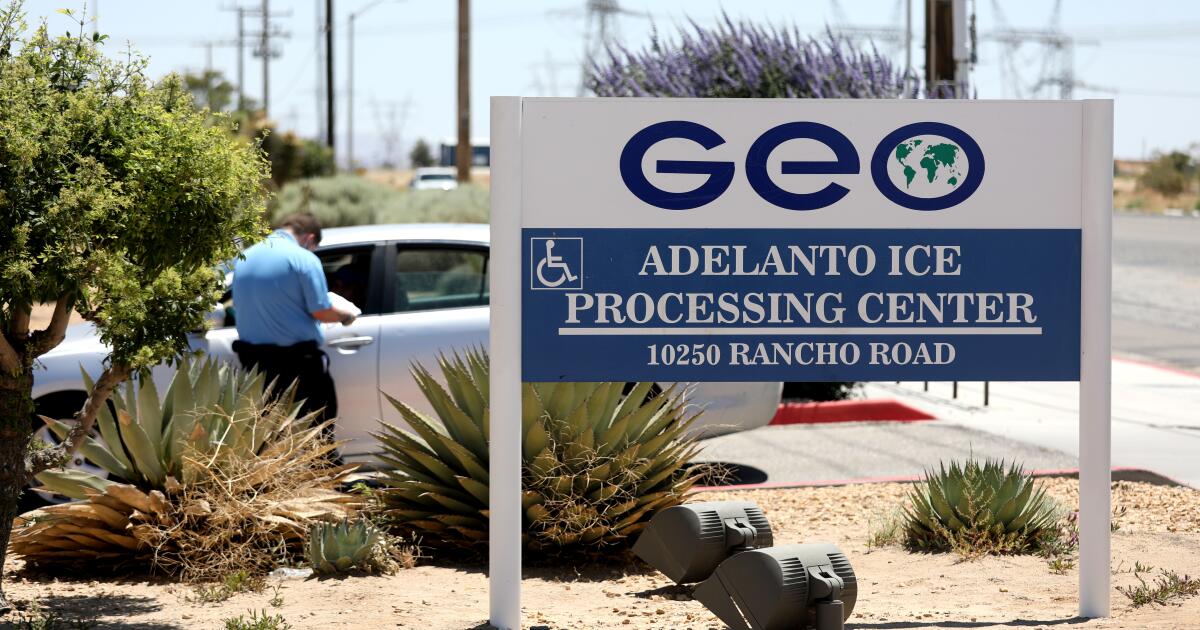
Immigration and Customs Enforcement (ICE) is implementing strategies to avoid local and state oversight of immigration detention centers, citing concerns about unsanitary and unsafe conditions. These efforts include changing contracts to exempt facilities from certain laws and federal ownership of detention centers operated by private companies. The move aims to shield facilities from legal action related to medical care and detention conditions, especially in states like California where oversight is increasing.
Local oversight has become more critical as federal offices responsible for investigating civil rights and safety issues at detention centers have been weakened. Advocates view ICE's actions as an attempt to evade scrutiny of detention centers, signaling a significant shift in the expansion and hardening of immigration detention in the United States. In California, state leaders have faced challenges in regulating privately run detention centers but have proposed measures to enhance oversight, including allowing lawsuits for non-compliance with care standards and requiring independent medical investigations into deaths in custody.
Despite attempts to limit oversight, California has made progress in holding detention center operators accountable for workplace violations. ICE has released new detention standards that impact detainees' rights, particularly regarding voluntary work programs. The agency claims to consult with stakeholders to improve detention facilities and ensure detainees receive proper care. However, recent legal battles in states like Washington and Colorado highlight ongoing conflicts over state laws versus federal contracts governing detention center operations.
ICE's efforts to apply restrictive contract language to detention facilities in various states have faced legal challenges, with conflicting interpretations of state and federal laws. The agency's plans to purchase more facilities and implement new detention standards raise concerns about accountability and oversight. The federal government's ownership of detention centers could complicate state oversight but may not shield the government from liability in cases of negligence or harm to detainees.
As ICE continues to navigate legal battles and expand its detention capacity, the debate over federal ownership of detention facilities and state oversight remains unresolved. The implications of these developments on immigration policy and human rights underscore the need for transparency and accountability in the operation of detention centers.