Thriving Marmots: Conservation Efforts and Creative Fundraising in the Colorado Mountains
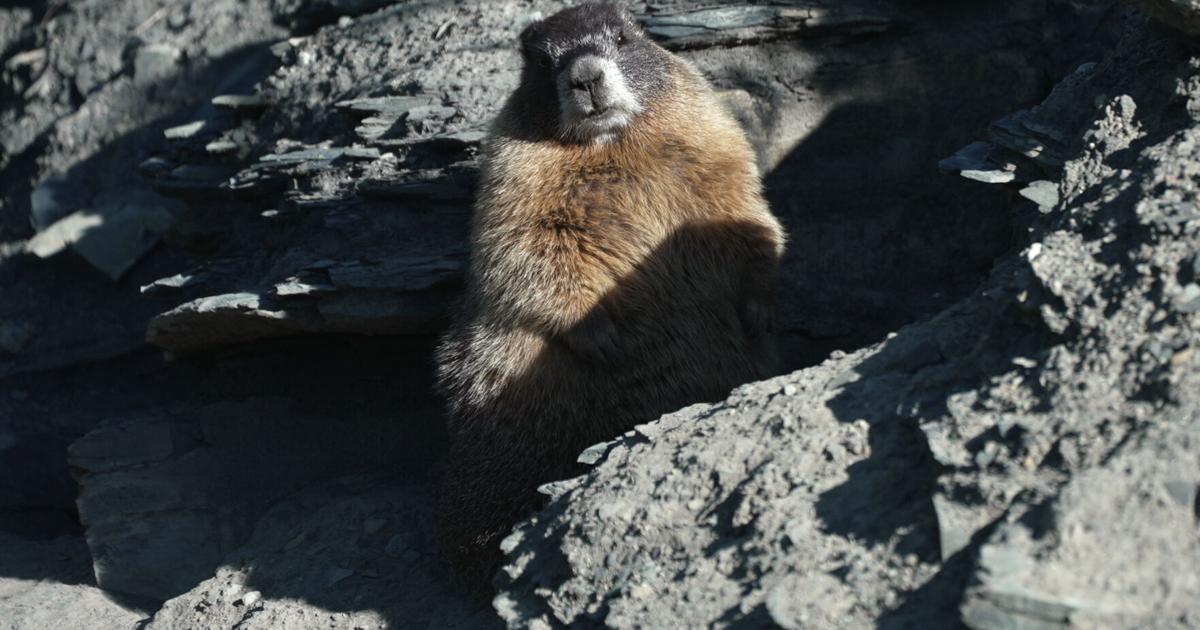
High in the Colorado mountains, a population of marmots faced a devastating winter with two-thirds of them perishing due to inadequate snow cover during hibernation. The surviving marmots are now thriving and preparing for the inaugural Fat Marmot Week, a lighthearted event similar to Fat Bear Week, aimed at raising funds for ongoing marmot research in the face of federal funding cuts.
Marmots, cat-sized ground squirrels that inhabit North America, Europe, and Asia, are a common sight in the Rocky Mountains. These charismatic creatures are often spotted by hikers perched on rocks or scurrying through wildflowers. With distinct personalities and social behaviors, marmots exhibit a range of interactions within their colonies, providing researchers with valuable insights into their behavior and ecology.
Researchers at the Rocky Mountain Biological Laboratory have been studying marmots for decades, gaining a deep understanding of their hibernation patterns and survival strategies. Last winter's lack of snow cover led to a significant decline in the marmot population, highlighting the impact of climate change on these alpine rodents. The marmot researchers, known as "marmoteers," are dedicated to continuing their long-term study despite funding challenges.
To support their research efforts, the marmot researchers have launched initiatives like Fat Marmot Week and created a meme coin called $OnlyMarms to raise funds for the program. Through creative approaches like posting marmot videos on the OnlyFans platform and engaging the broader community, the researchers aim to secure the necessary funding to sustain their work and ensure the survival of the marmot population in the Colorado mountains.
As climate change continues to affect the delicate alpine ecosystem, the marmot researchers emphasize the interconnectedness of mountain environments with downstream water resources and human communities. By studying marmots and their responses to environmental changes, researchers hope to shed light on broader ecological challenges and inspire conservation efforts to protect these iconic mountain dwellers.
In conclusion, the marmot researchers at the Rocky Mountain Biological Laboratory are dedicated to studying and conserving these charismatic alpine rodents despite funding challenges. Through initiatives like Fat Marmot Week and creative fundraising efforts, they aim to secure the necessary support to continue their research and ensure the survival of marmot populations in the face of climate change.