Stars and Stripes: A Military News Outlet in Transition
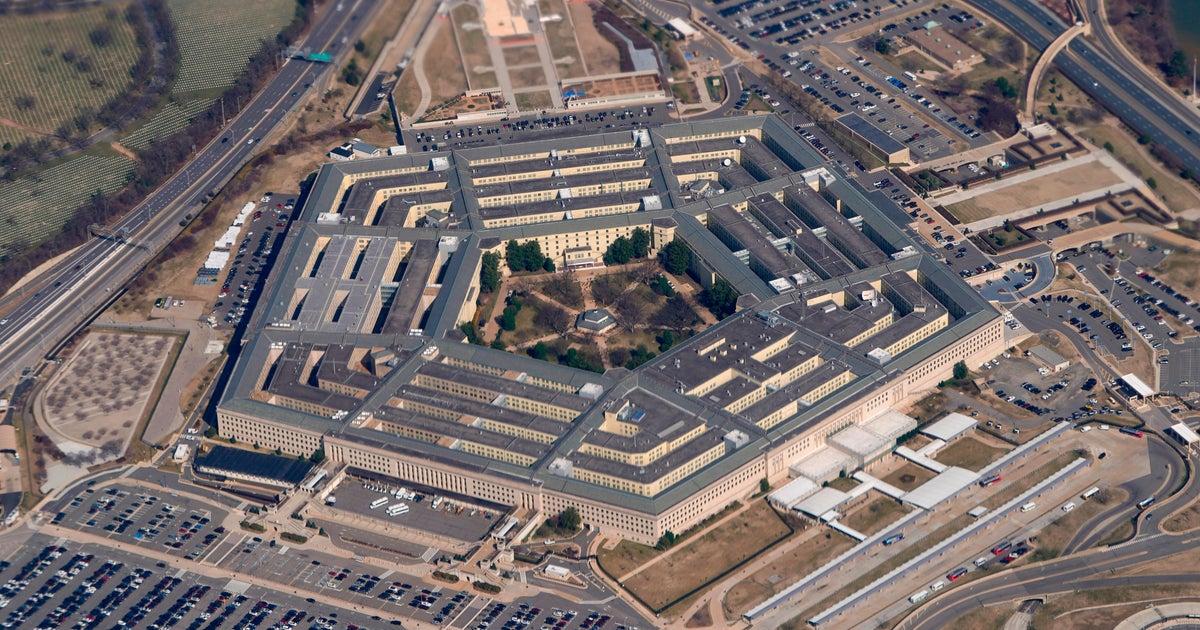
The Pentagon has issued separation notices to the publisher and editor in chief of Stars and Stripes, a U.S. military news outlet funded in part by American taxpayers. Publisher Max Lederer and editor in chief Erik Slavin were given five days to appeal their dismissals, citing insubordination as the reason. Lederer, who has been the publisher for 19 years, announced his retirement due to differences with the Trump administration, while Slavin has expressed disagreements with Pentagon leaders.
Stars and Stripes has been a vital source of information for military members and their families, emphasizing editorial independence. Recent reports by Stars and Stripes and the Military Times highlighted concerns about mental health and self-harm risks among service members aboard the USS Abraham Lincoln. Despite denials from officials, the aircraft carrier began its journey back to the U.S. after a nine-month deployment.
With roughly half of its $29 million budget coming from taxpayers, Stars and Stripes has seen a decline in readership since its peak during past wars. However, it still reaches an average of 1.4 million people daily, especially in remote locations with limited internet access. Pentagon spokesman Sean Parnell has discussed modernizing Stars and Stripes to cater to a new generation of service members and move away from what he calls "woke distractions."
In conclusion, the recent developments at Stars and Stripes involving the removal of its publisher and editor in chief have raised concerns about the outlet's editorial independence and its role in providing critical information to the military community. The future direction of Stars and Stripes under new leadership remains uncertain as efforts are made to adapt to changing times and audience preferences.