Press Freedom Debate: Mexico City Government's Blacklists and Broadcasting Guidelines
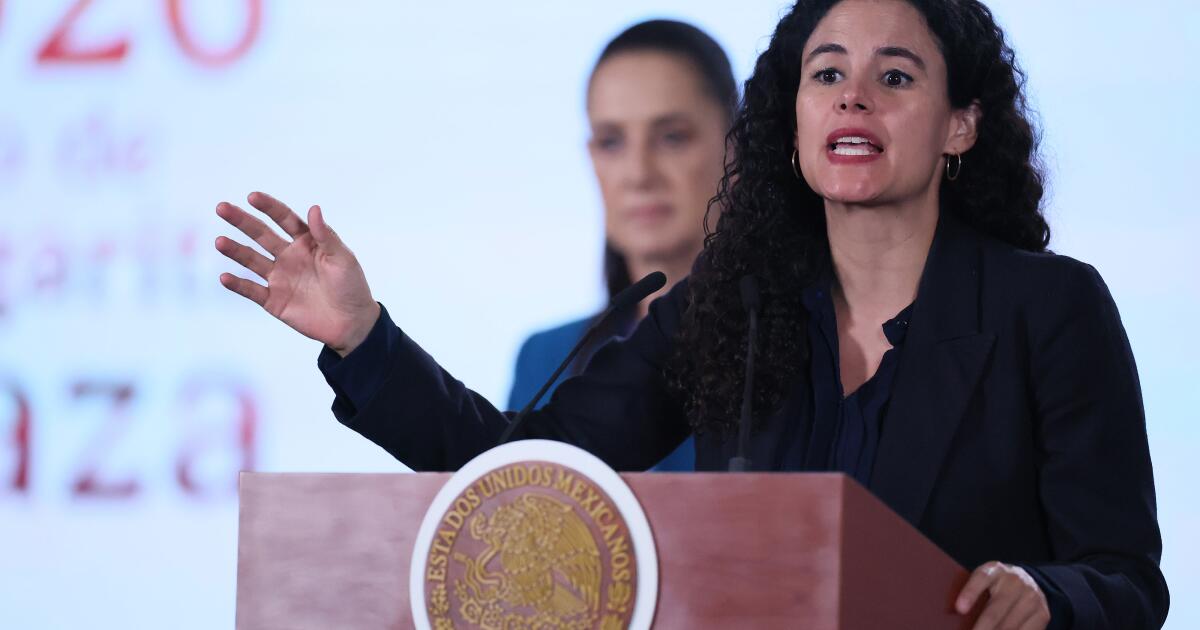
The government of Mexico City, led by Claudia Sheinbaum, has come under fire for allegedly creating blacklists that include journalists, media outlets, and opposition politicians. The lists were unveiled by Sheinbaum's chief counsel, Luisa María Alcalde, who accused a digital "ecosystem" of bots and trolls of spreading false narratives against the government. Despite the backlash, Sheinbaum denied any censorship attempts and defended Alcalde, stating that the lists were meant to highlight the use of social media to generate propaganda against the government.
Journalists and media outlets condemned the lists, arguing that they were an attempt to silence Mexico's press. Many journalists, including prominent figures like Carmen Aristegui and Jorge Ramos, criticized the government for targeting independent journalism. The lists also included opposition politicians, sparking further outrage among those named.
The dangers faced by Mexican journalists were highlighted in the context of the lists, with at least 14 journalists killed since Sheinbaum took office. Some journalists sarcastically welcomed their inclusion on the lists, while others viewed it as a badge of honor. The lists also included former presidents Vicente Fox and Felipe Calderón, who are known conservative adversaries of Sheinbaum and López Obrador.
Sheinbaum refuted claims of compiling a blacklist, stating that the lists were meant to expose the spread of false news on digital platforms. She emphasized that there was no censorship involved and dismissed concerns about potential consequences for those named. The controversy surrounding the lists coincided with Sheinbaum's plan to implement new guidelines for television and radio outlets to protect "audience rights," which critics viewed as an infringement on press freedom.
Despite the criticism, Sheinbaum defended the guidelines as a step towards democracy and denied any censorship intentions. The proposed regulations, which do not cover print and digital media, aim to ensure ethical broadcasting practices and distinguish between fact and opinion. The guidelines could be finalized without congressional approval and enforced by Sheinbaum's government.
In conclusion, the government of Mexico City's handling of the blacklists and proposed broadcasting guidelines has sparked a debate about press freedom and censorship. Journalists and media outlets have raised concerns about potential restrictions on independent journalism, while the government maintains that the measures are necessary to combat false narratives and protect audience rights. The controversy surrounding the lists and broadcasting guidelines reflects broader tensions between the government and the media in Mexico.