Exploring Mental Health and Criminal Responsibility: The Lindsay Clancy Murder Trial
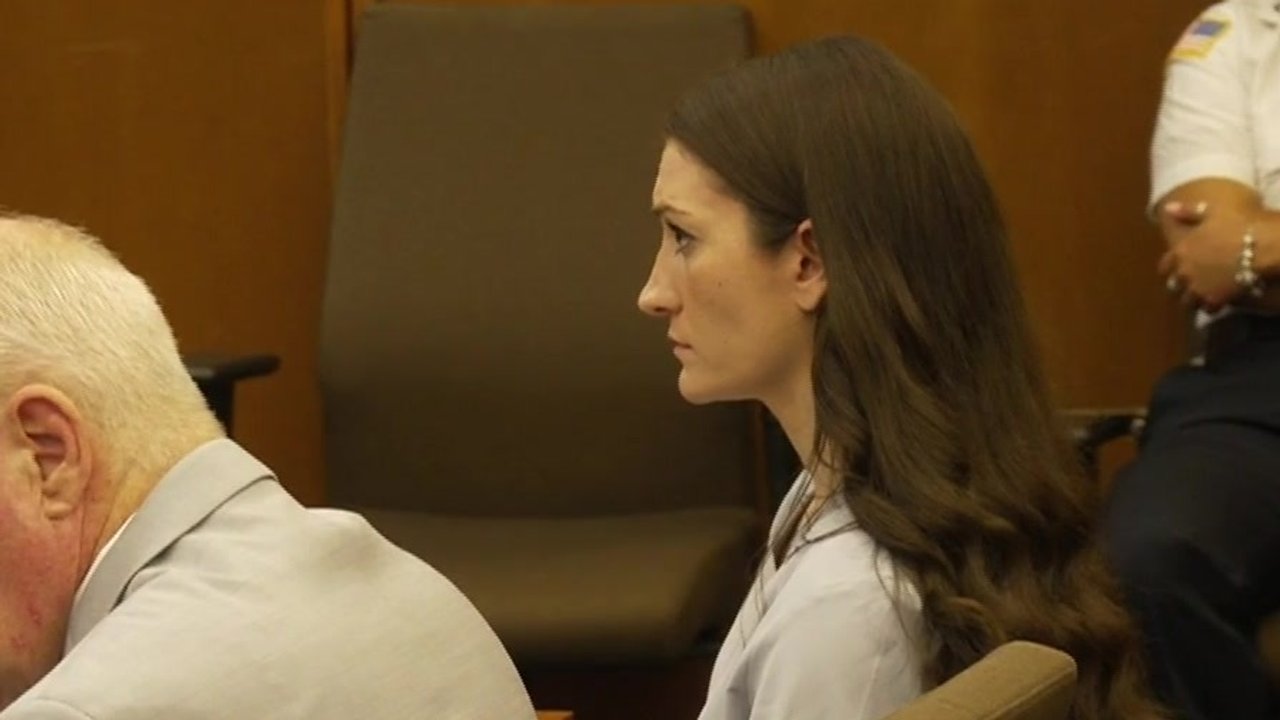
The defense has concluded its presentation in the Lindsay Clancy murder trial, focusing on her mental state leading up to the tragic deaths of her three children. Clancy, who faces murder charges for the deaths of her young children, has pleaded not guilty. Her defense argues that she should not be held criminally responsible due to postpartum psychosis, a mental illness triggered by childbirth. Clancy's family members testified about her declining mental health before the incident, highlighting her struggles and pleas for help.
Clancy's mother, Paula Musgrove, shared how her daughter's mental health deteriorated in the months preceding the tragedy. Text messages revealed Clancy's distress and plea for assistance, indicating her struggles with mental health issues. Testimonies from family members and a psychologist who treated Clancy after the incident shed light on her mental state and challenges she faced.
The defense emphasized Clancy's mental health conditions, including postpartum psychosis and bipolar disorder, suggesting that she was overmedicated. Witnesses described Clancy's escalating distress and fears leading up to the tragic event. The psychologist who treated Clancy highlighted her inability to comprehend the consequences of her actions, attributing it to a mental illness.
Prosecutors countered the defense's claims, alleging that Clancy orchestrated the events to remove her husband from the house before the killings. They argued that despite receiving treatment for anxiety and depression, Clancy was not experiencing psychosis. The trial is approaching its conclusion as both sides prepare for closing arguments, presenting contrasting perspectives on Clancy's mental state and culpability.
In conclusion, the Lindsay Clancy murder trial has delved into the complexities of mental health and its impact on criminal responsibility. The testimonies and evidence presented offer insight into the tragic events that unfolded, raising questions about the intersection of mental illness and legal accountability. As the trial nears its end, the contrasting narratives presented by the defense and prosecution underscore the challenges of determining culpability in cases involving mental health issues.