US Deportation to Liberia: Impact and Controversies
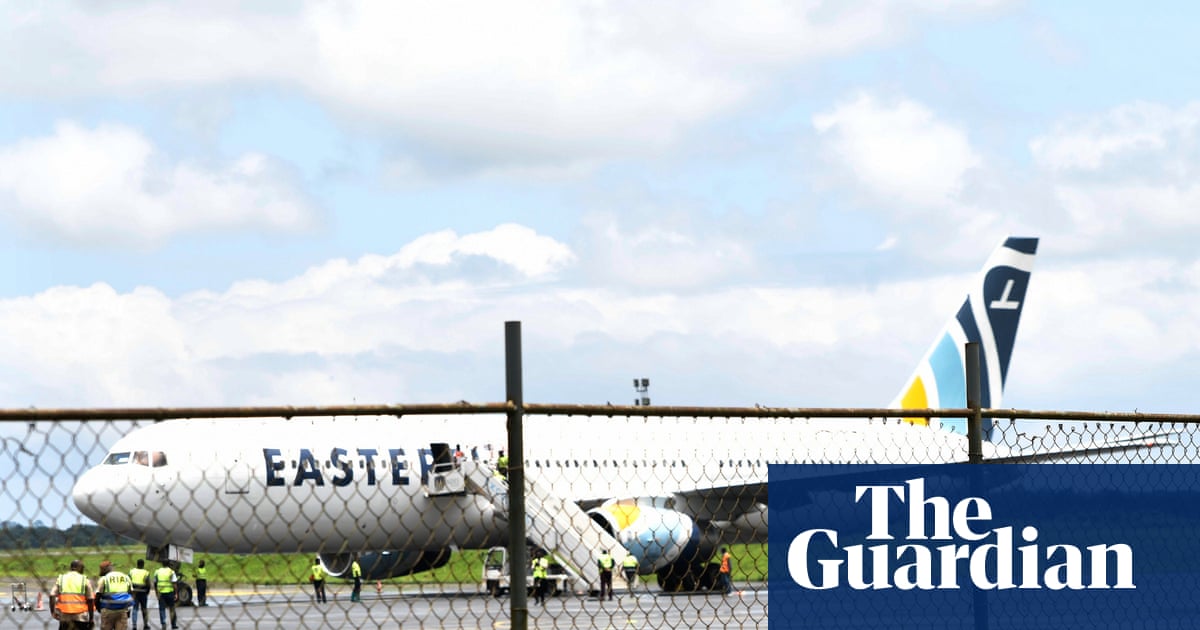
The United States recently deported 20 individuals to Liberia as part of a larger group of 1,200 migrants that Liberia will receive under a new agreement. The deportees arrived at the Roberts International Airport near Monrovia. This deportation initiative is a result of the Trump administration's strict immigration policies, leading to one of the largest third-country deportations.
Liberia's Information Minister, Jerolinmek Piah, mentioned that the 1,200 deportees will consist of individuals from various regions, including Africa, North America, South America, and the Caribbean. Liberia's Justice Minister, Natu Oswald Tweh, stated that most of the deportees had committed migration-related violations and offenses. He also mentioned that those deported could seek asylum in Liberia if they desired.
Advocates have criticized the Trump administration for using third-country deportations as a way to indirectly push asylum seekers back to their home countries. This practice has led to thousands of individuals being deported to countries where they may face safety risks or have no ties. Some migrants are sent to countries they have never visited, leaving them with limited options but to return to the countries they were originally fleeing.
In conclusion, the recent deportation of 20 individuals to Liberia is part of a larger effort by the United States to enforce its immigration policies. The agreement between the US and Liberia highlights the challenges faced by migrants caught in legal loopholes and the complexities of international deportation practices.