Border Security vs. Environmental Preservation: The Debate Over Construction in Big Bend National Park
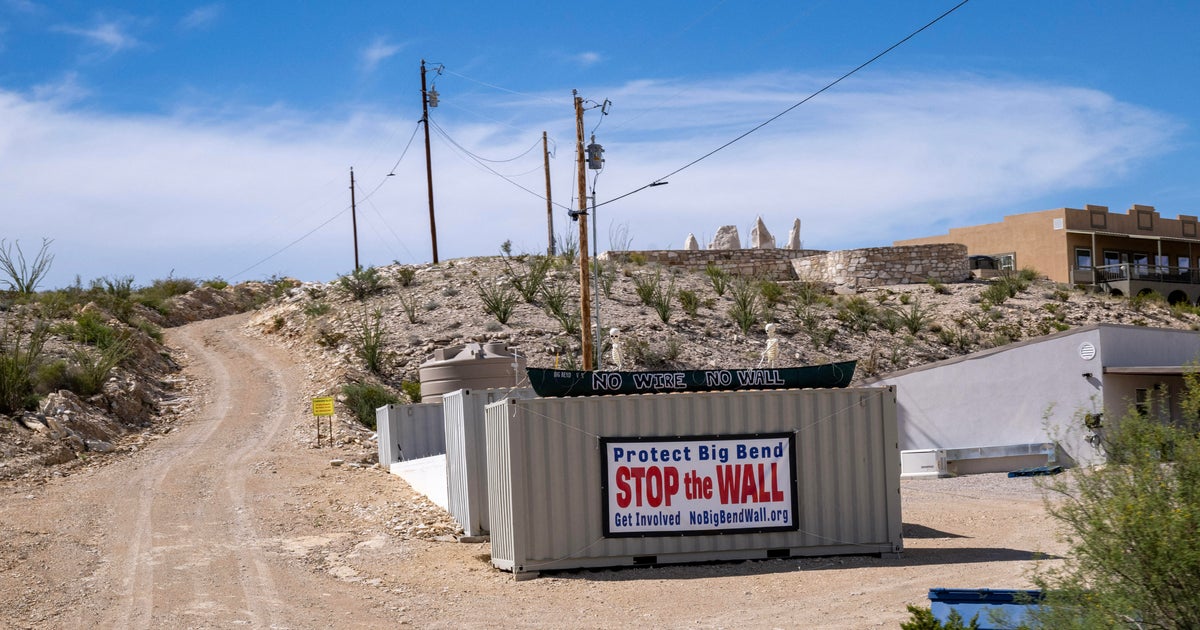
Construction activities in Big Bend National Park in West Texas have sparked a heated debate among various stakeholders, including cattle ranchers, environmentalists, sheriffs, Republican senators, and country singers. The project, part of a larger border security initiative, has raised concerns about the impact on the park's pristine landscape and the local communities that rely on it for their livelihoods. Despite the need for border security, many argue that the construction should not come at the expense of the region's natural beauty and cultural heritage.
Big Bend National Park, spanning over 800,000 acres along the Rio Grande, is a popular destination for visitors seeking to experience the rugged beauty of West Texas. While the park is located in a border region patrolled by Customs and Border Protection, the number of apprehensions in the area is relatively low compared to other parts of the Southwest border. Critics of the construction project question the need for extensive barriers and roads in a remote and sparsely populated area where illegal crossings are minimal.
The controversy surrounding the construction in Big Bend National Park has prompted CBP Commissioner Rodney Scott to pause the project for further evaluation and discussions with local stakeholders. The debate has become deeply personal for many residents, who view the land as a cherished inheritance that should be protected from intrusive development. Concerns about the environmental impact of the construction, as well as the disruption to local communities and ranching operations, have fueled opposition to the project.
Yolanda Alvarado, a fifth-generation cattle rancher in the region, has experienced firsthand the consequences of border barriers on her family's land. She recalls how a previous wall built on her aunt's property caused flooding and destruction during heavy rains, highlighting the challenges of implementing infrastructure in the arid terrain of West Texas. Despite the declaration of the Big Bend Sector as an "area of high illegal entry," Alvarado and others argue that the existing natural barriers and surveillance technology are sufficient to address security concerns without compromising the region's unique landscape.
Sheriff Thaddeus Cleveland, a former Border Patrol agent, advocates for a more nuanced approach to border security that prioritizes technology, manpower, and targeted barriers where necessary. He emphasizes the importance of boots on the ground and community engagement in addressing security challenges in the vast and rugged terrain of Terrell County. Cleveland's perspective reflects a growing consensus among local residents and officials that a one-size-fits-all approach to border security may not be suitable for the diverse landscapes of the region.
As the debate over the construction in Big Bend National Park continues to unfold, voices from across the political spectrum have joined forces to oppose the project. Environmentalists, ranchers, tourism operators, and lawmakers have raised concerns about the potential impact on the region's natural resources and cultural heritage. Calls for a more balanced and thoughtful approach to border security in the area have gained momentum, with stakeholders urging federal officials to consider the unique challenges and opportunities presented by the remote and rugged landscape of West Texas.
In conclusion, the construction activities in Big Bend National Park have ignited a passionate debate about the balance between border security and environmental preservation in one of America's most remote and pristine landscapes. The controversy underscores the complex and deeply personal nature of the issue, as residents, officials, and advocates grapple with competing priorities and values in the pursuit of a secure and sustainable border strategy. As the discussions continue, the future of the construction project in Big Bend remains uncertain, with stakeholders pushing for a more holistic and community-driven approach to addressing the region's security challenges.