Protecting Pets: The Impact of New World Screwworm on Adoptions in Texas
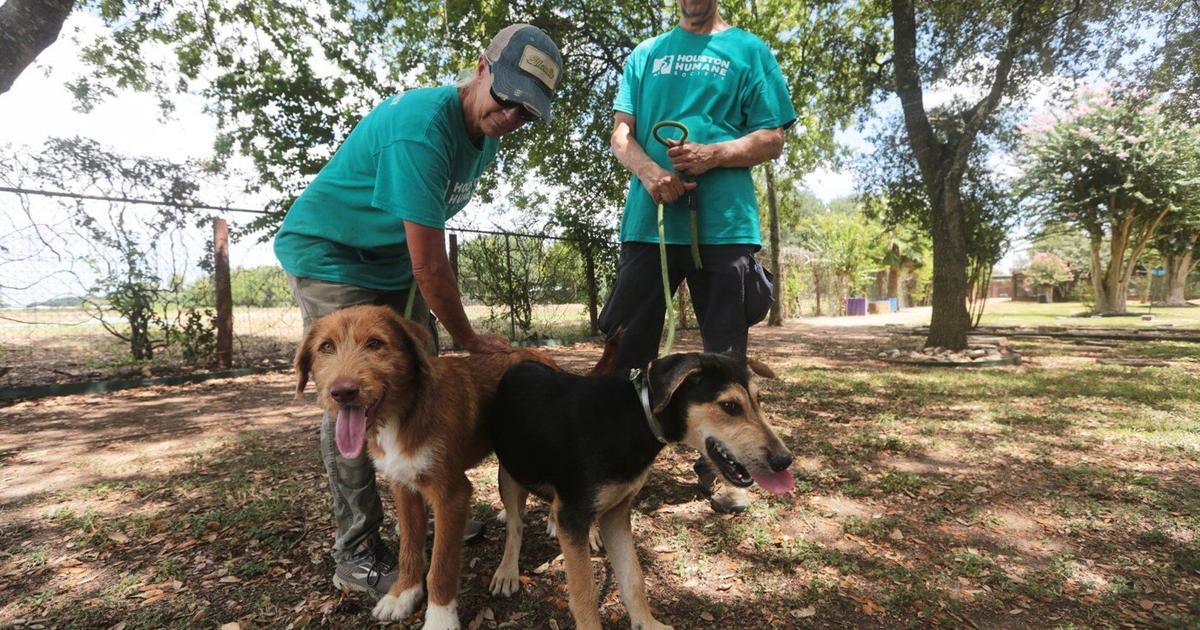
Adoptions for numerous dogs and cats in Texas are currently suspended due to concerns about the New World screwworm, an insect that has made its way into the United States from Mexico after 60 years. This situation has put these animals at risk of being euthanized. The spread of this flesh-eating parasite has also led to the closure of the border for cattle movements, impacting the beef industry significantly. As a result, many states have imposed restrictions on the movement of animals from affected areas in Texas, causing overcrowding in state shelters that depend on adoptions to alleviate the situation.
The New World screwworm poses a serious threat not only to livestock but also to pets, prompting the implementation of measures to prevent its further spread. The risk of infection has led to the suspension of adoptions for dogs and cats in Texas, creating challenges for shelters that are struggling to find alternative solutions. With the movement of animals restricted, shelters are facing overcrowding issues, making it difficult to manage the increasing number of animals in need of homes.
Efforts to contain the New World screwworm have resulted in the temporary suspension of adoptions for thousands of dogs and cats in Texas. This situation has raised concerns about the well-being of these animals and the potential consequences of overcrowding in shelters. With restrictions in place to prevent the spread of the parasite, shelters are facing challenges in finding suitable solutions for the animals in their care. The impact of these measures on adoptions highlights the need for coordinated efforts to address the issue effectively.
In conclusion, the suspension of adoptions for dogs and cats in Texas due to the threat of the New World screwworm underscores the importance of implementing measures to protect animals from the spread of this parasite. The challenges faced by shelters in managing the increasing number of animals in need of homes highlight the need for collaborative efforts to address the situation and ensure the well-being of these vulnerable animals.