Black Gubernatorial Nominees: Shaping the Future of State Leadership
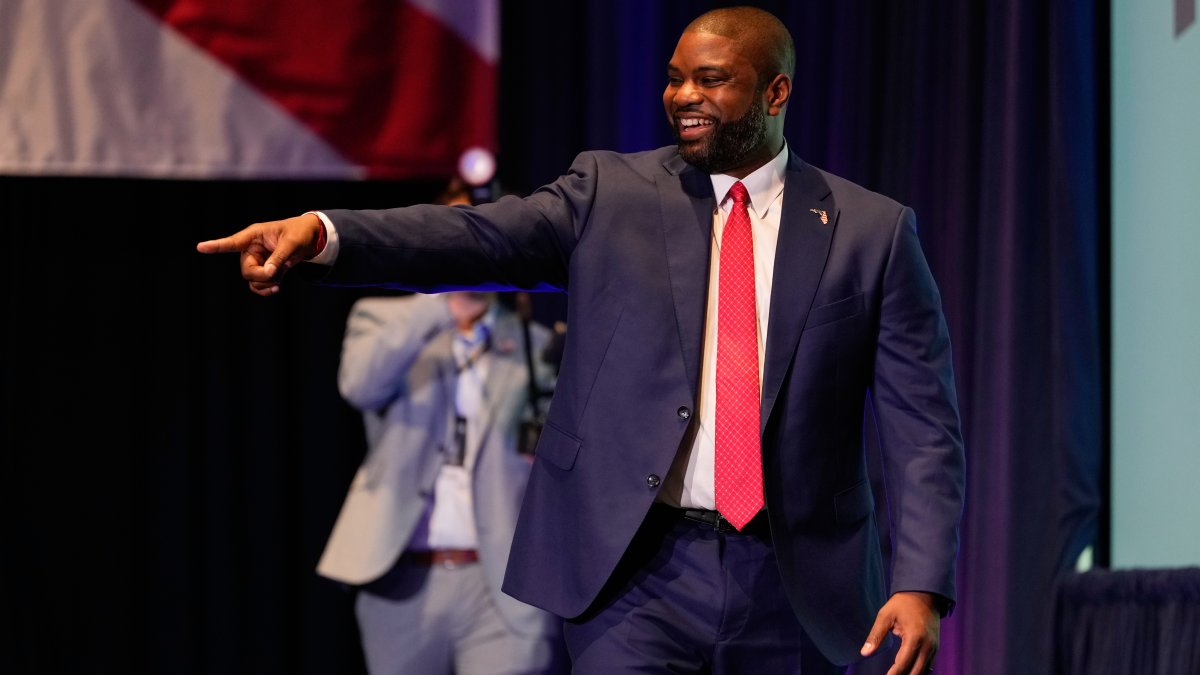
The upcoming gubernatorial elections in the United States are witnessing a historic moment with a record number of Black major party nominees vying for the governor's seat. This diverse group of candidates, including both Democrats and Republicans, is focused on their experience and policy proposals rather than the historic nature of their candidacy. The representation of Black nominees is seen as crucial given the nation's history of slavery, Jim Crow, and ongoing disparities in various areas.
The Black gubernatorial nominees, such as U.S. Rep. Byron Donalds in Florida, Aaron Ford in Nevada, Lisa Demuth in Minnesota, and John James in Michigan, are emphasizing issues ranging from voting rights and civil rights to the economy. The significance of having Black candidates across party lines is highlighted as a step towards better representation and inclusivity in governance.
The current political landscape, marked by challenges to diversity initiatives and historical narratives, underscores the importance of governors as defenders against divisive policies. Black politicians are often at the forefront of advocating for issues that disproportionately affect Black communities, such as health disparities and economic challenges. The power of governors to shape policies and agendas is crucial in addressing these pressing issues.
While the governor's seat has historically been elusive for Black politicians, the increasing number of Black gubernatorial nominees signals a shift towards more inclusive representation in state leadership. Candidates like Wes Moore in Maryland and Keisha Lance Bottoms in Georgia are breaking barriers and paving the way for future generations of leaders. The focus is on creating a more diverse and representative political landscape where identity politics play a significant role in shaping policies and agendas.
As the gubernatorial elections approach, the spotlight is on the diverse group of Black candidates who are vying for leadership roles in their respective states. Their campaigns are not just about making history but about addressing the pressing issues facing their communities and advocating for a more inclusive and equitable future. The upcoming elections will test the impact of diverse representation in governance and the ability of governors to address the complex challenges of our time.