Balancing Justice: LAPD Officer Daniel Flores' Case and the Role of Whistleblowers in Law Enforcement
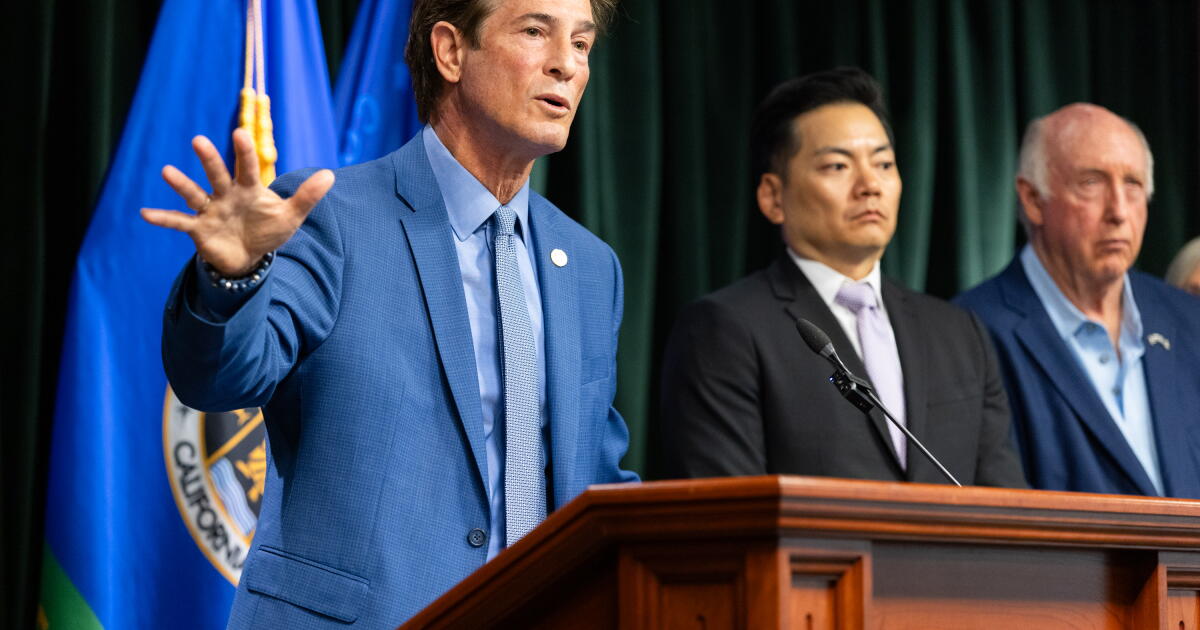
A Los Angeles police officer, Daniel Flores, faced felony charges for recording his colleagues making racist, sexist, and homophobic comments. However, the district attorney announced a new agreement that would reduce the charges to misdemeanors and likely result in a diversion agreement in court. This decision followed public backlash and concerns about discouraging police whistleblowers. If the diversion agreement is accepted, Flores would need to meet certain conditions for about a year to have the case dismissed.
Flores recorded over 100 conversations of his colleagues in the LAPD’s recruitment division, capturing offensive remarks such as racist jokes and derogatory comments. The original charges against Flores could have led to a maximum of 13 years in prison. California law requires consent from all parties to record a conversation, but Flores argued that his actions were justified as part of his duties as a police officer. He reported the misconduct to the LAPD’s inspector general’s office and hoped for disciplinary action against the officers involved.
The decision to prosecute Flores received criticism from various groups, including Mayor Karen Bass and city council member Hugo Soto-Martínez. Concerns were raised about the impact on other potential police whistleblowers. The district attorney’s motion for a lengthy preliminary hearing in the case raised further doubts about the prosecution's motives. Flores had pleaded not guilty and was scheduled for a court date in September.
Flores had filed a lawsuit against the LAPD, alleging retaliation for reporting misconduct. The LAPD’s inspector general’s office stated that it follows state law in handling complaints of employee misconduct. The case highlighted the challenges faced by whistleblowers within law enforcement agencies and the complexities of addressing internal corruption and misconduct.
In conclusion, the case of Officer Daniel Flores underscores the delicate balance between upholding the law and protecting whistleblowers within law enforcement agencies. The decision to reduce the charges and pursue a diversion agreement reflects a nuanced approach to addressing the complexities of internal corruption and misconduct. It also highlights the importance of transparency and accountability in maintaining public trust in law enforcement.