Tragic Tales of Migration: The Stories of Ayoub Akbili, Hamza Haibouri, and Abdelouahed Iken
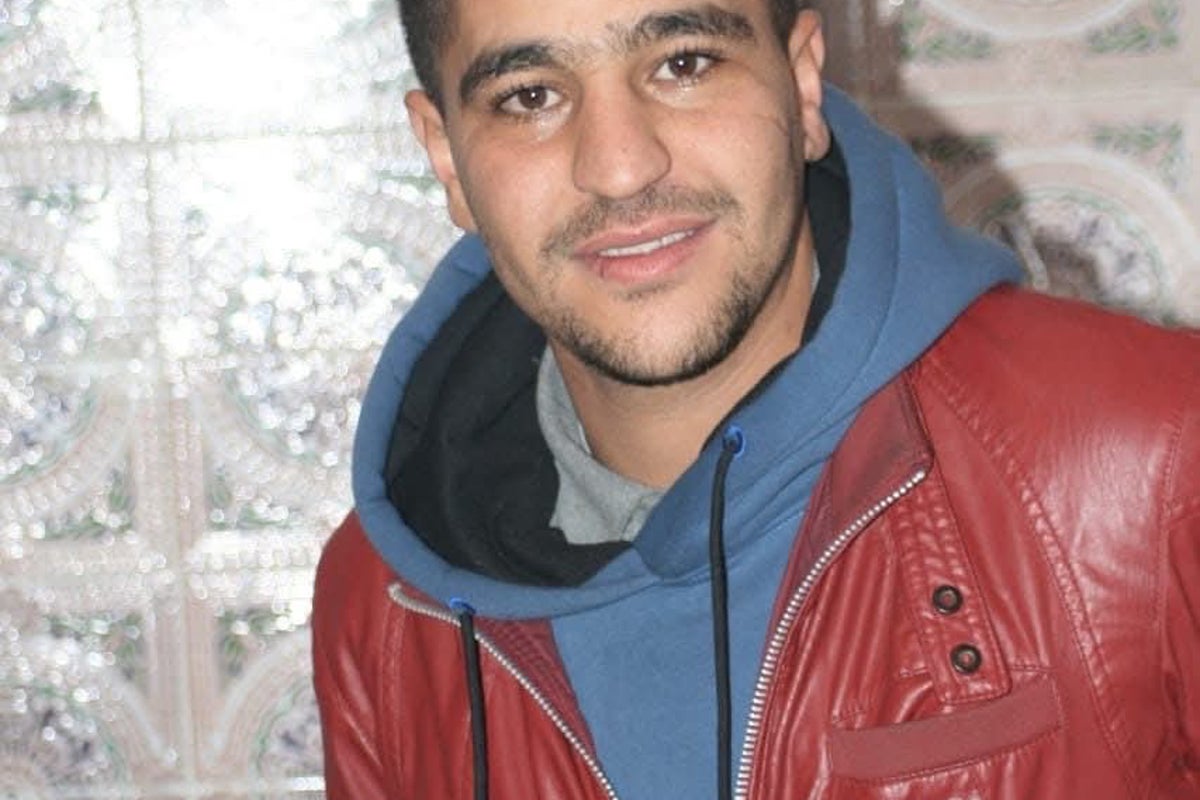
Ayoub Akbili, Hamza Haibouri, and Abdelouahed Iken were among the many individuals who attempted to cross the border between Morocco and Spain in search of better opportunities. The recent surge in migration was fueled by misinformation, poverty, and lack of opportunities, leading to a tragic outcome for many. The deadly migration crisis resulted in the loss of at least 90 lives, with families still struggling to retrieve the bodies of their loved ones.
Ayoub Akbili, a 31-year-old physics graduate working at a car parts factory, decided to join the rush to Ceuta after seeing social media posts about people crossing the border. His motivation was to find a job that could help his mother pay for surgery. Despite having a job, Akbili's desire for better opportunities led him to take the risk of crossing illegally, ultimately resulting in his death.
Hamza Haibouri, a 28-year-old soccer player with dreams of playing professionally in Europe, also fell victim to the deadly crossing. His passion for soccer and aspirations for a better life abroad drove him to join the chaotic attempt to reach Ceuta. Haibouri's childhood friend described him as a deeply religious and ambitious individual who had always dreamed of living abroad and improving his soccer career.
Abdelouahed Iken, a 19-year-old high school student from Agadir, was influenced by the glamorous life portrayed by a friend who had migrated to Italy. When he heard rumors of the open border, he decided to travel to Ceuta with friends, seeking a better future. Tragically, Iken, who could not swim, drowned during the crossing, leaving his family devastated.
The families of the deceased migrants faced additional challenges, including the high costs of repatriating the bodies from Ceuta to Morocco. The process involved complex paperwork and authorization, adding to the emotional and financial burden on the families. Despite efforts to repatriate the bodies, delays and bureaucratic hurdles prolonged the suffering of the families awaiting closure.
The stories of Ayoub Akbili, Hamza Haibouri, and Abdelouahed Iken shed light on the harsh realities faced by migrants seeking a better life through dangerous crossings. The tragic loss of lives and the struggles of families left behind serve as a stark reminder of the human cost of migration. As Morocco and Spain grapple with the aftermath of the deadly crisis, efforts to address the root causes of migration and provide support to affected families are crucial in preventing similar tragedies in the future.