Enhancing Transparency and Accountability: Proposal to Disclose Nonprofit Leaders' Criminal Convictions
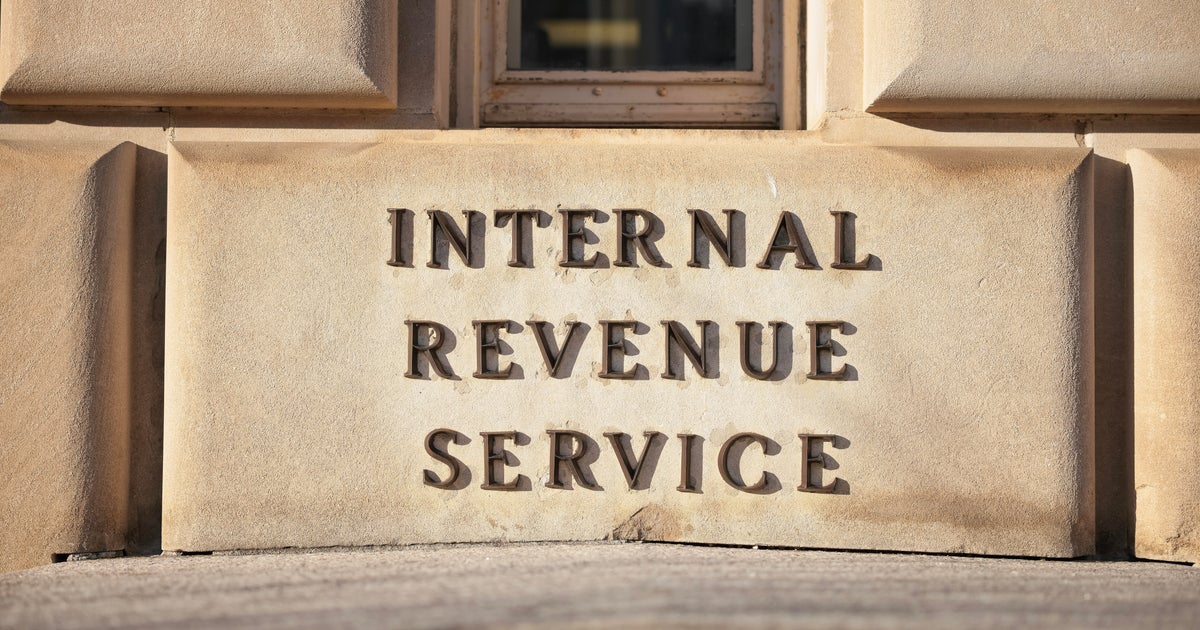
The Trump administration is considering a proposal that would require nonprofits to disclose whether their top officials have been convicted of certain financial or terrorism-related crimes in their annual tax filings. This disclosure requirement would be added to the Form 990 that nonprofit groups file with the IRS. The goal is to pressure tax-exempt organizations to sever ties with individuals with criminal records and provide donors with information to make informed decisions about their donations.
Convictions that would need to be reported include offenses like providing material support to terrorists, fraud, money laundering, tax evasion, and civil judgments from enforcement actions by the SEC or state securities regulators. The proposal would not require groups to identify which specific officer, director, or trustee was convicted, and it would pertain to convictions within the last 10 years.
Some officials within the IRS have raised concerns about the proposal, questioning its legality and potential implications for free speech and civil society. However, supporters argue that the disclosure could help the IRS monitor nonprofits more effectively and take action if leaders fail to disclose criminal convictions. The proposal is part of a broader effort by the Trump administration to target left-leaning nonprofits and ensure accountability in the sector.
The administration's focus on fraud and criminal activities in the nonprofit sector has intensified in recent months, with investigations and prosecutions targeting organizations suspected of illicit activities. The proposal to require disclosure of criminal convictions by nonprofit leaders is seen as a step towards enhancing transparency and accountability in the sector.
In conclusion, the proposed requirement for nonprofits to disclose whether their top officials have been convicted of certain crimes in their annual tax filings is aimed at promoting transparency and accountability in the nonprofit sector. While there are concerns about the potential implications of the proposal, supporters believe it could help the IRS monitor organizations more effectively and take action against those that fail to disclose criminal convictions.