Race and Representation: The Controversy Surrounding Rep. Debbie Wasserman Schultz's Re-election Bid in Broward County
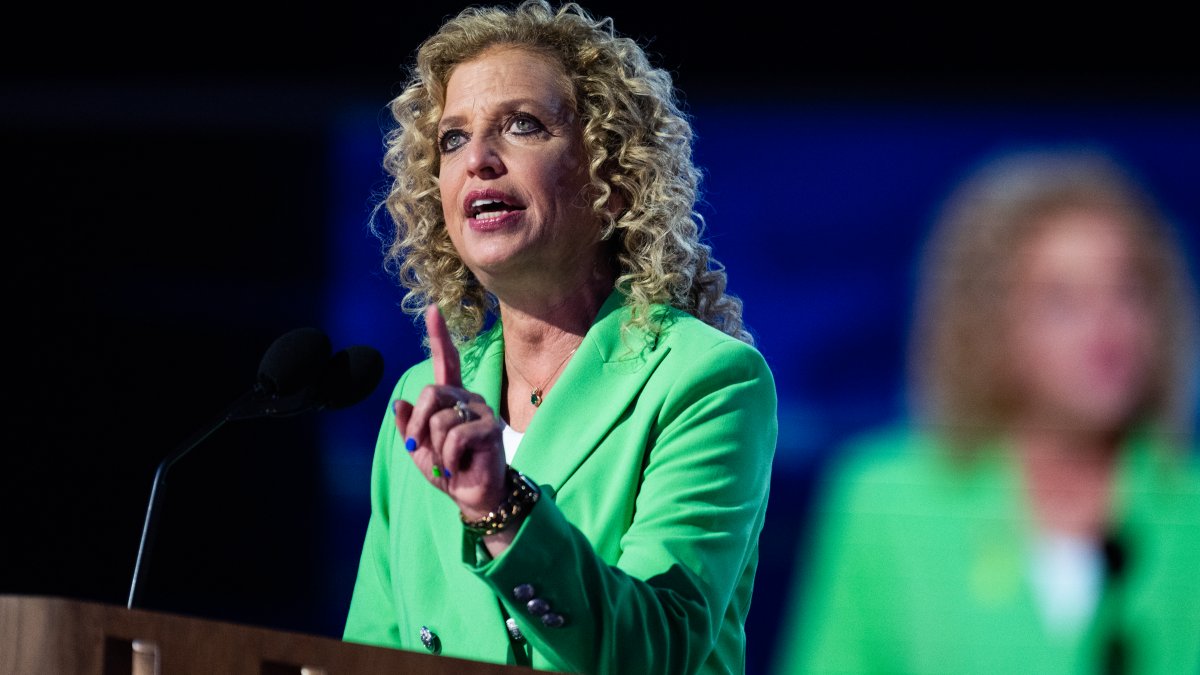
Rep. Debbie Wasserman Schultz is seeking reelection to Congress, running in a new district after Republicans redrew the state's congressional map. The move has placed her as the only white candidate among four Black candidates in Broward County. This has sparked controversy and criticism from some of her opponents, who accuse her of erasing the history and fight for Black representation in the area.
Despite facing backlash, Wasserman Schultz, a well-funded candidate, argues that she can effectively represent the diverse communities in the region, drawing on her experience as a state and federal legislator for over three decades. The redistricting efforts in Florida, initiated by Governor Ron DeSantis, aim to reduce Democratic seats and reshape the political landscape in the state.
The new district where Wasserman Schultz is running is predominantly Black, Hispanic, and Asian, with a significant Caribbean population. She is the only white Democrat positioned to represent a district with a Black majority or plurality. The upcoming primaries will be crucial in determining the future representation of the district and the impact of redistricting on minority voting strength.
The race has attracted a diverse field of candidates, including progressive organizer Elijah Manley and former Rep. Sheila Cherfilus-McCormick, who resigned while facing an ethics investigation. The candidates are vying for the opportunity to represent a district that has historically sent Black Democrats to Congress. The outcome of the primaries will have implications for the representation and political power of the community.
As the election approaches, voters in Broward County are grappling with the choice of candidates and the impact of redistricting on their representation. The controversy surrounding Wasserman Schultz's candidacy reflects broader concerns about minority voting strength and political representation in the wake of the Supreme Court decision that weakened the Voting Rights Act provisions.
In the midst of a contentious race and shifting political dynamics, the candidates are making their case to voters, emphasizing their commitment to the community and their ability to advocate for their interests. The outcome of the primaries will shape the future of the district and determine who will represent the diverse population in Congress.
In conclusion, the upcoming primaries in Florida's newly redrawn districts will be a critical moment for determining the representation of minority communities and the impact of redistricting on political power. The candidates, including Rep. Debbie Wasserman Schultz, are facing a challenging race that underscores the importance of diverse representation and the fight for equitable political representation. Voters will play a crucial role in shaping the future of the district and determining who will advocate for their interests in Congress.