Opposition Figure Lev Shlosberg Sentenced to 11 Years in Prison: A Case Study in Russian Legal Challenges
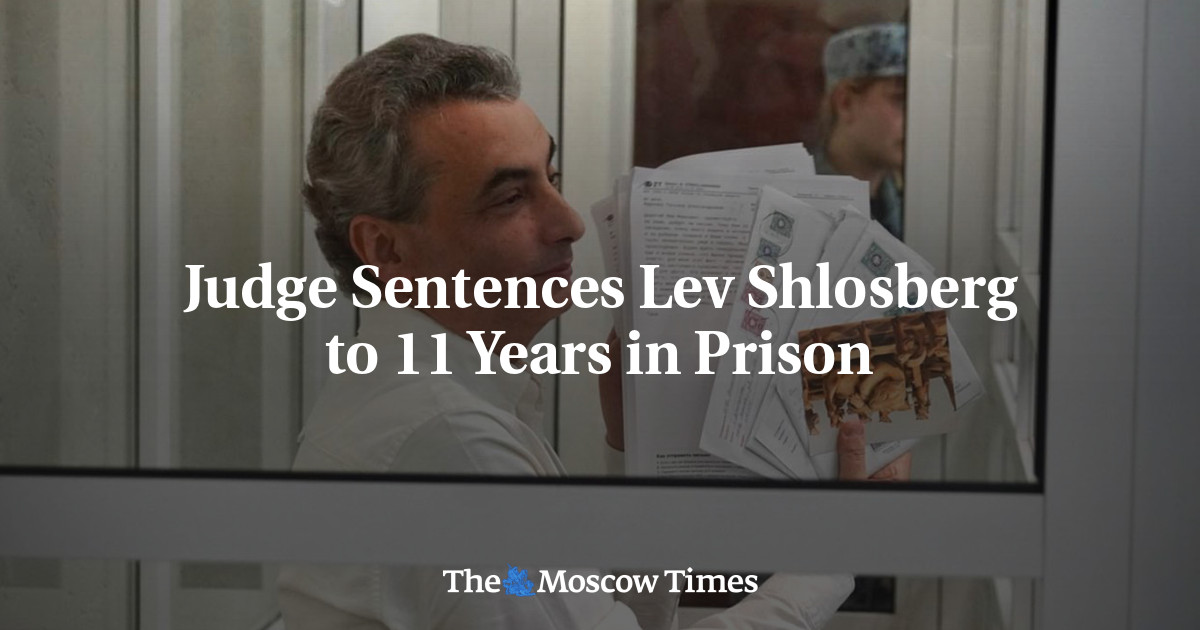
A judge in the Pskov region has handed down a verdict sentencing opposition figure Lev Shlosberg to 11 years and one month in prison for allegedly spreading false information about the Russian military. This sentence combines penalties under wartime censorship laws and a previous conviction for violating Russia's "foreign agent" law. State prosecutors had requested a longer sentence of 12 years and one month, but Shlosberg maintained his innocence, accusing prosecutors of discrediting Russian law.
The charges against Shlosberg stem from a Telegram post he shared in February 2022, featuring content from Ekho Moskvy radio station. The post included a British tabloid cover with President Vladimir Putin and a bloodied woman. Shlosberg argued that he made the post before Russia implemented its wartime censorship laws. Another charge of "discrediting" is related to a public debate in January 2025 where Shlosberg allegedly called for a ceasefire in Ukraine. However, Shlosberg denied sharing the video of the debate and claimed that the statements in question were made by his debate opponent.
The legal proceedings in Shlosberg's case have been marred by procedural irregularities, with the judge reportedly refusing to question Shlosberg directly and appointing a state lawyer when his defense attorneys were unavailable. Despite these challenges, Shlosberg was ultimately sentenced to prison. This verdict coincides with Russia's Supreme Court hearing an appeal from Yabloko regarding the cancellation of the party's federal candidate list for the upcoming State Duma elections.
In conclusion, Lev Shlosberg's conviction and sentencing highlight the ongoing challenges faced by opposition figures in Russia. The case underscores the restrictions on freedom of expression and the legal hurdles encountered by those critical of the government. The outcome of Shlosberg's trial raises concerns about the fairness and transparency of the Russian judicial system, prompting further scrutiny of the country's human rights record.