Mount Etna Tragedy: Understanding the Risks of Volcanic Exploration
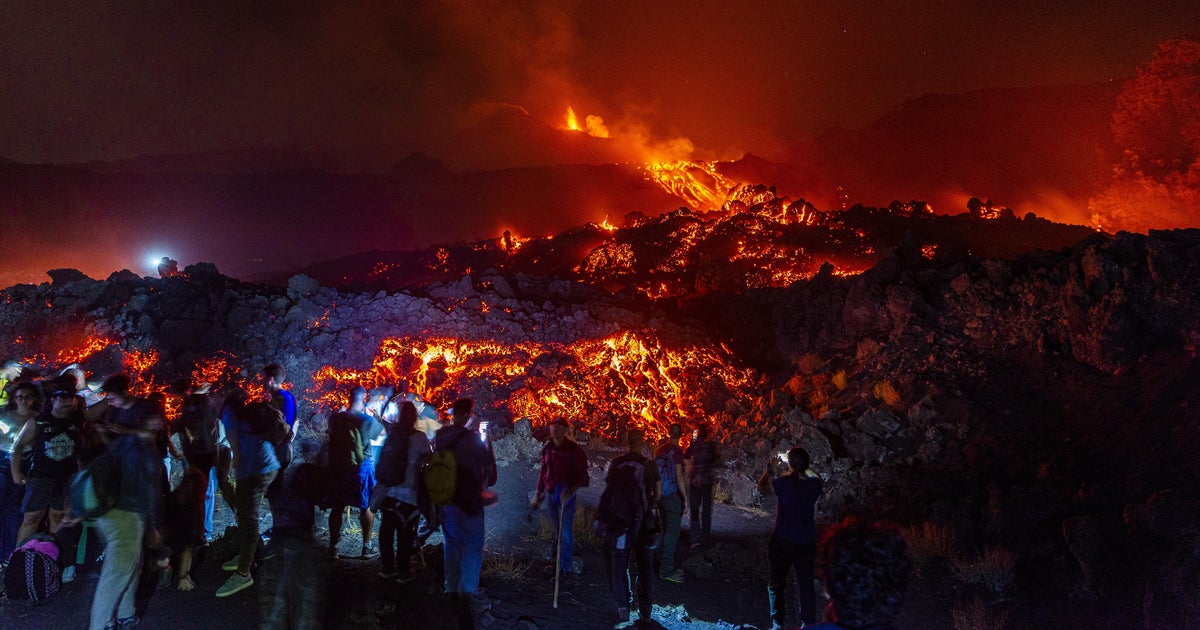
A tragic incident occurred on Mount Etna in Italy, where a 30-year-old American tourist lost his life after being struck by lightning during a thunderstorm. The man, whose identity has not been officially disclosed, was hiking on the volcano and had ventured into a restricted area in an attempt to reach the summit. Emergency services reached him via helicopter but were unable to revive him, and he was pronounced dead at a local hospital. Mount Etna, known for its frequent volcanic activity, has been experiencing lava flows and ash eruptions in recent weeks, affecting the surrounding area and causing disruptions at Catania International Airport.
With approximately 1.5 million visitors annually, Mount Etna poses risks due to its volcanic nature and unpredictable weather changes. The rapid transition from sea level to high altitude can lead to sudden weather shifts, creating hazardous conditions for hikers and tourists. Italy's Civil Protection agency advises caution as visitors ascend the mountain, warning about the potential dangers of encountering extreme weather conditions. In response to the heightened volcanic activity, authorities have restricted access to certain areas of the volcano, especially on the upper slopes where shelter is limited above the tree line.
The tragic incident on Mount Etna was one of two fatal lightning strikes reported in Italy on the same day. Another individual, an Italian man, also lost his life after being struck by lightning while hiking in the Alps in the South Tyrol province. These incidents serve as a reminder of the importance of safety precautions when exploring natural environments and the need to be aware of the potential risks associated with outdoor activities. Visitors to Mount Etna and other volcanic regions are urged to follow guidelines and stay informed about local conditions to ensure their well-being and prevent accidents.