The Evolution of Shorts: From Scandalous Garment to Fashion Staple
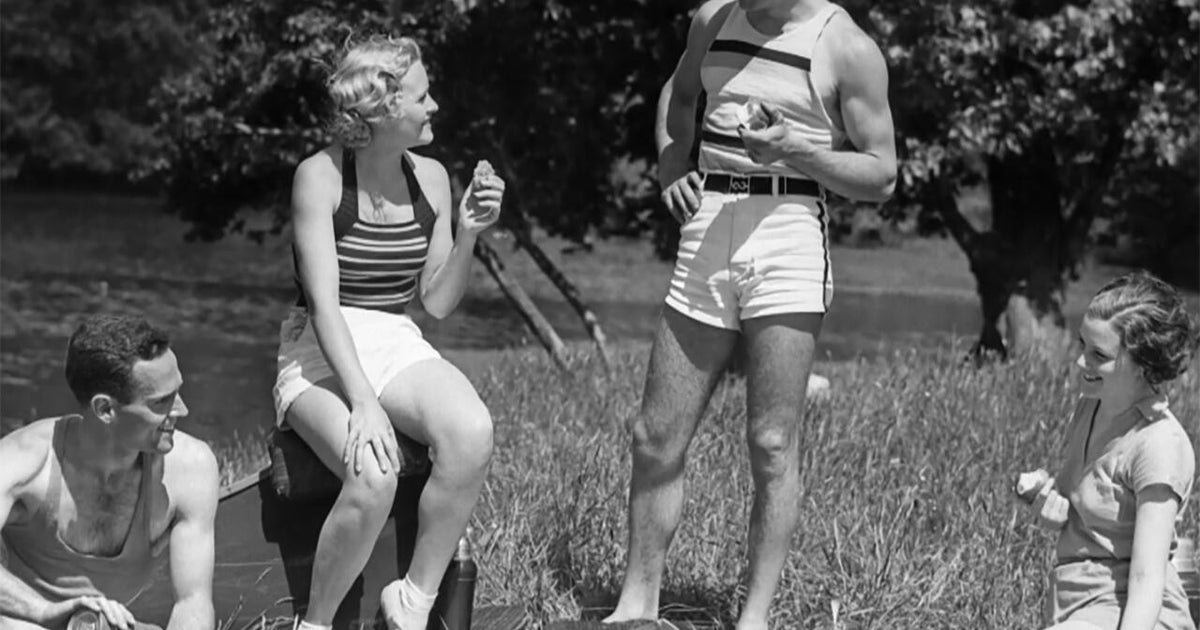
The scorching summer of 1936 claimed the lives of thousands due to extreme heat. Cities across the United States experienced record-breaking temperatures, with many people seeking refuge in movie theaters or outdoors due to the lack of air conditioning in homes. The unbearable heat wave forced a change in people's lifestyles and clothing choices, with some places even outlawing the wearing of shorts in public.
In Yonkers, New York, wearing shorts was once considered illegal, with violators facing fines and jail time. The city council banned shorts and other revealing clothing in 1935, prompting a crackdown by the police. However, two reporters from the New York Daily News challenged the law by wearing shorts in Yonkers, leading to their arrest and subsequent court battle. The conviction was eventually overturned, and the law was repealed.
Throughout history, the display of legs has been a controversial issue, with certain eras deeming it scandalous. Men's fashion during the Elizabethan Era featured pumpkin hose, stuffed with sawdust and horse hair, which attracted bugs. The liberation of men's lower legs during World War I led to the creation of Bermuda shorts, as soldiers sought relief from the sweltering heat. Women had to wait longer to embrace shorter clothing, with the influence of World War II pinup girls and the rise of disco culture making hot pants fashionable.
Shorts have become a staple in modern fashion, worn in various settings, including workplaces. The evolution of shorts from a forbidden garment to a ubiquitous piece of clothing reflects changing societal norms and attitudes towards fashion. Despite the challenges posed by extreme weather conditions, the comfort and practicality of shorts remain a timeless choice for many.