Perceptions of Fairness and Economic Systems in the U.S.: Views on Capitalism, Socialism, and Opportunities for Advancement
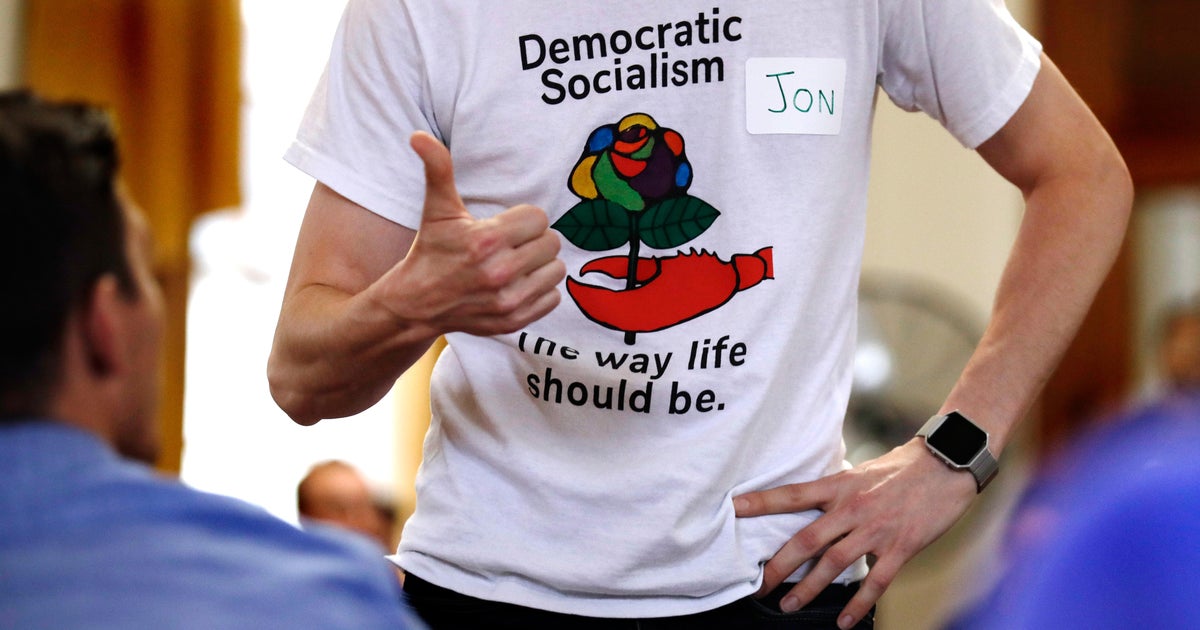
The majority of Americans have a positive view of the free market system and capitalism, while being less favorable towards socialism. However, many Americans, especially younger generations, feel that it is more challenging now to achieve milestones like buying a house, starting a family, and feeling financially secure compared to previous generations. This sentiment has led to a perception of the current U.S. economic system as unfair, particularly in terms of opportunities for advancement.
These views on fairness are influenced by individuals' personal experiences and perceptions of available opportunities. Younger generations express more unease about their prospects for success. While most Americans view the free market as beneficial for the economy, capitalism is generally viewed more positively than socialism, which tends to have a negative perception. Democrats, in particular, have a higher regard for socialism than capitalism, with views varying based on education level and age.
When asked to define socialism, respondents often mentioned government control or ownership, as well as concepts of equality, fairness, and helping people. Republicans and independents tended to associate socialism with government control, while Democrats emphasized equality, fairness, and public services. Democrats with college degrees and younger Democrats are more likely to have positive views of socialism and perceive a gap between the richest and the middle class.
There are differences within the Democratic Party regarding progressiveness, with some members feeling the party is not progressive enough. These individuals are less likely to believe that the party aligns with their economic views and are more inclined towards socialism. Overall, Democrats want their party to advocate for significant changes and fight for their interests. The party faces challenges in aligning with voters on economic and cultural issues, but there is some agreement among voters, especially on the need for government price controls.
Both Democrats and Republicans are perceived as weak and ineffective by most voters. Democrats are seen as not progressive enough by some within their party, while Republicans are viewed as extreme. The primary season has shown a shift towards younger and more moderate candidates, with Americans believing that having more young people and moderates in office would lead to positive changes.