Facing the Flames: Climate Change and the Urgency of Action
In July, Washington, D.C. kicked off America's 250th birthday with an evacuation due to an incoming storm, disrupting the fireworks display on the National Mall. The month saw record-breaking heat in the Lower 48 states, exacerbating the impact of natural disasters across the country. From floods in Texas to tornadoes in Indiana, extreme weather events have become more frequent and severe, leaving communities devastated.
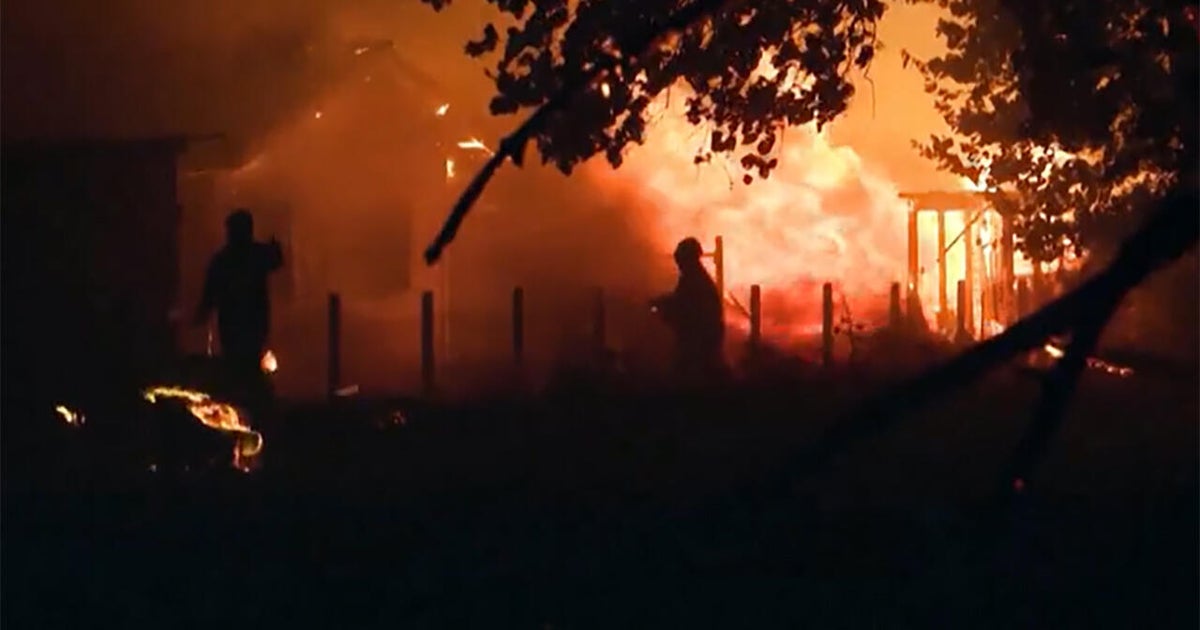
The scorching heat, prolonged droughts, and strong winds fueled a brush fire in Spokane, Washington, believed to be started by an arsonist. The fire quickly spread, destroying homes and displacing families like Ted Chauvin's. The emotional toll of losing a home filled with memories and the uncertainty of the future weigh heavily on those affected by the wildfires.
Washington State experienced its most destructive wildfire season on record, prompting residents like Chauvin to question the changing climate and its implications. Climate journalist Jeff Goodell warns that the extreme weather events we are witnessing are interconnected and indicative of a planet undergoing significant changes. Adapting to this new reality requires acknowledging the problem and taking proactive steps to address it.
Goodell emphasizes the need to recognize the signs of a changing climate and not normalize extreme events as isolated incidents. The analogy of frogs in a pot slowly boiling serves as a poignant reminder of the gradual changes that often go unnoticed until it's too late. With heat waves and wildfires becoming more frequent, it is crucial to understand the long-term implications of climate change on our environment and society.
The impact of climate change extends beyond the United States, with Europe experiencing deadly fires and record-breaking heatwaves. As temperatures rise and extreme events become more common, the need to reassess how we build and plan for the future becomes increasingly urgent. Goodell stresses that our current way of life is built on a climate that is rapidly changing, necessitating a shift in our approach to urban planning and infrastructure.
Atmospheric scientist Maria Molina uses artificial intelligence and historical weather data to predict future climate patterns and assess the evolving nature of extreme events. By understanding the underlying trends and signals of climate change, researchers hope to develop solutions to mitigate its effects and protect vulnerable communities. Collaboration and innovation are key to addressing the challenges posed by a changing climate and building a more resilient future.
For individuals like Ted Chauvin, grappling with the aftermath of a wildfire and the decision to rebuild or relocate, the uncertainty of climate change looms large. The emotional toll of losing a home and witnessing the impact of environmental disasters underscores the urgency of taking action to address climate change. As we confront a world in flux, it is essential to reflect on our role in shaping the future for generations to come.