Seeking Justice: The Execution of James Duckett and the Quest for Closure
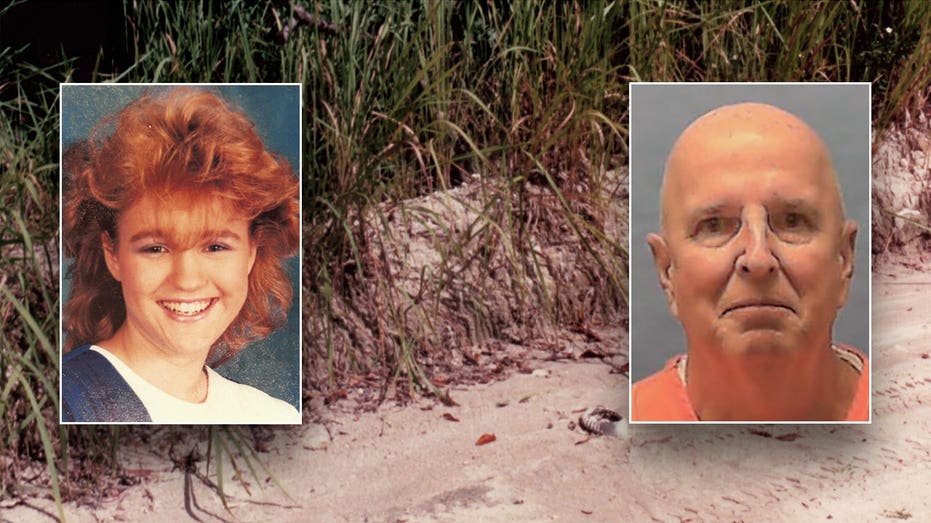
After nearly 40 years, the execution of James Duckett provided closure for two families who believed their daughters fell victim to the same killer. Duckett, a former police officer, was put to death by lethal injection for the rape and murder of 11-year-old Teresa McAbee while on duty in Mascotte, Florida. McAbee's family witnessed his execution at the Florida State Prison.
Family and friends of 14-year-old Jeanifer Weldon, who authorities believe was also killed by Duckett, were present at the execution. Despite suspicions linking Duckett to Weldon's murder, law enforcement officials decided not to pursue a conviction to avoid prolonging his life. Duckett was fired from his job as a cop after being named a suspect in McAbee's case, where strong fingerprint and DNA evidence tied him to the crime.
Weldon went missing in September 1987, and her remains were found after a phosphate miner discovered her decomposed body. Investigators suspected Duckett used his law enforcement background to gain Weldon's trust before her death. Although Duckett was arrested for McAbee's murder and sexual assault, the evidence linking him to Weldon's killing was more circumstantial.
Despite Duckett's execution for McAbee's murder, he was never convicted of Weldon's killing. Investigators continued to pursue DNA evidence and hoped for a confession from Duckett before his execution, but he remained silent. While Weldon's family found some closure in Duckett's execution, Polk County Sheriff Grady Judd expressed dissatisfaction, stating that Duckett should have been put to death sooner.
Judd also suggested that surveillance cameras on roadways could have potentially prevented Weldon's death, emphasizing the importance of such technology in law enforcement efforts. Despite the controversy surrounding surveillance cameras, Judd argued that they could aid in locating missing individuals and suspects without invading privacy.