Enhancing Astronaut Safety: The Radiation-Shielding Vest for Future Moon and Mars Missions
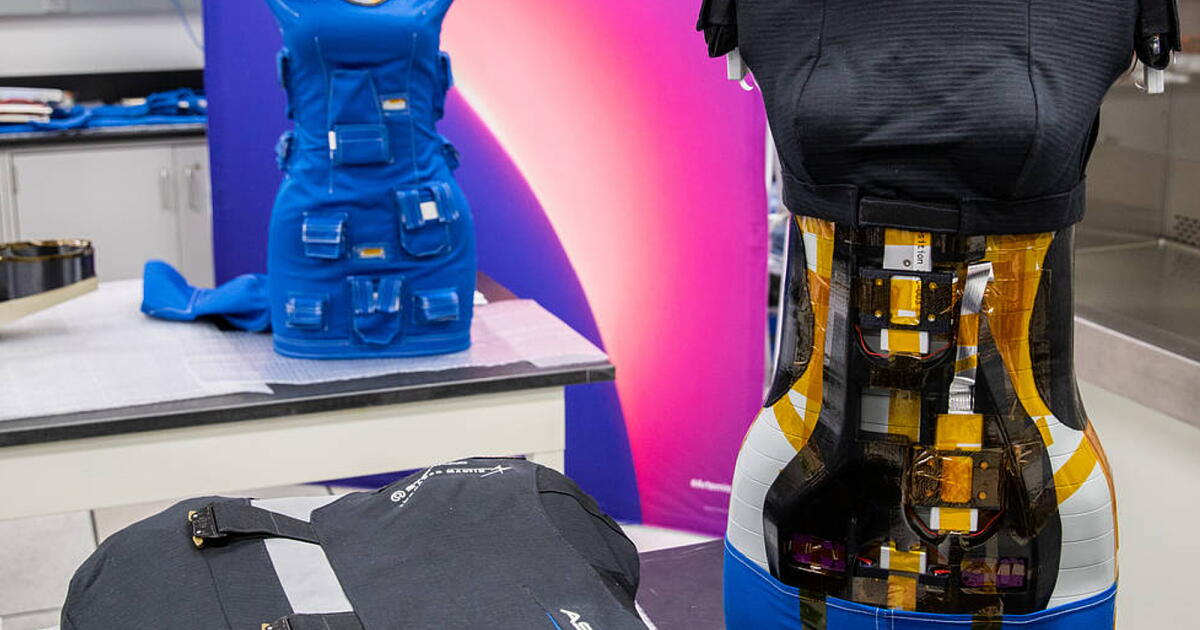
A recent study has revealed the potential benefits of a radiation-shielding vest tested during NASA's Artemis moonshot mission. The vest, worn by a female test dummy during the Artemis I flight, could significantly reduce radiation exposure for lunar astronauts, especially during severe solar storms. This protective garment covers vital organs such as the lungs, stomach, bone marrow, breasts, and ovaries, offering a shield against harmful radiation. The vest was not included in the Artemis II mission but may be considered for future moon expeditions to ensure astronaut safety in space.
The development of the radiation-shielding vest marks a significant step in protecting astronauts from the dangers of radiation exposure in space. With plans for establishing a moon base and eventually sending crews to Mars, safeguarding astronauts against solar storms and radiation-induced health risks is crucial. The vest, designed to be worn during high-radiation events, could provide essential protection for astronauts venturing beyond their shelters on the moon or during long-duration space missions.
During the Artemis I mission, two female manikins named Zohar and Helga were onboard the spacecraft, with Zohar wearing the AstroRad vest developed by StemRad and Lockheed Martin. The vest, weighing 57 pounds, was tested for comfort and functionality on the International Space Station before being used in the Artemis mission. The study conducted by a collaborative team from the U.S., Germany, and Israel highlighted the importance of the vest in reducing radiation exposure during extreme solar particle events, similar to those experienced in the past.
The findings from the study indicated that the radiation-shielding vest could potentially reduce an astronaut's radiation dose by up to 60% during severe solar storms, offering valuable protection during deep space missions. As NASA plans for extended stays on the moon and future missions to Mars, the development of effective radiation shielding technologies becomes increasingly important. By optimizing the design of the vest and exploring ways to integrate radiation protection into existing spacecraft materials, researchers aim to enhance astronaut safety during long-duration space travel.
The successful testing of the radiation-shielding vest during the Artemis I mission has provided valuable insights into mitigating radiation risks for astronauts in deep space. With the potential to reduce unnecessary radiation exposure and enhance crew safety during lunar and Mars missions, the vest represents a significant advancement in space exploration technology. As researchers continue to refine the vest's design and explore innovative radiation shielding solutions, the future of human space exploration holds promise for safer and more sustainable missions beyond Earth's orbit.