Update on Legionnaires' Disease Outbreak on Upper East Side: Two Additional Fatalities Reported
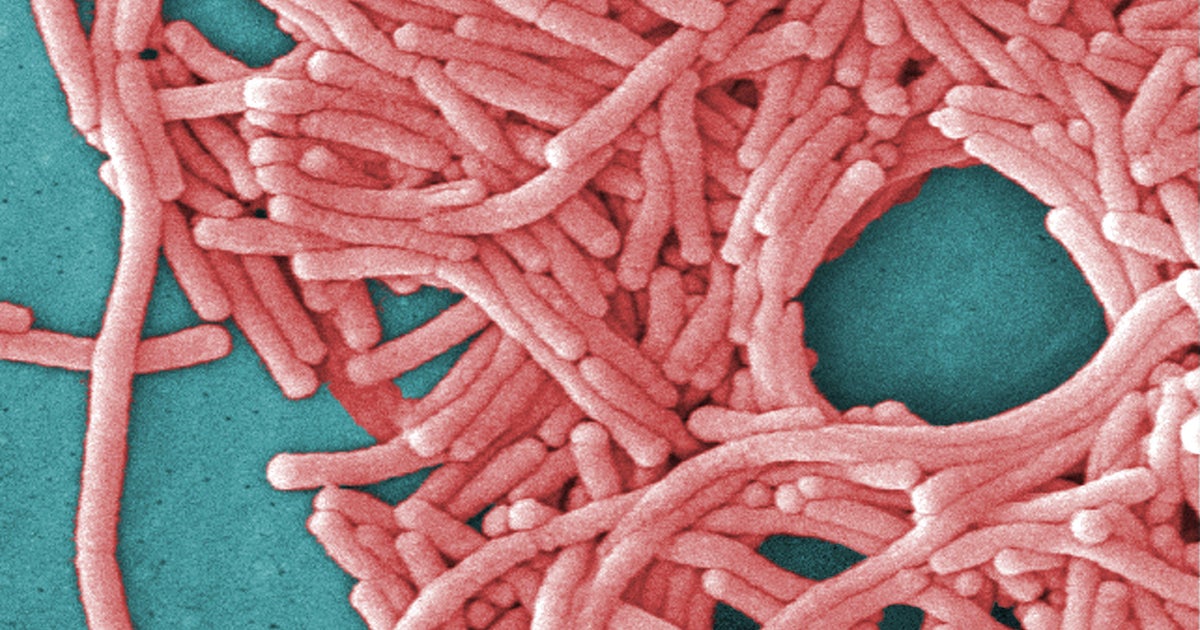
Two additional fatalities have been linked to the Legionnaires' disease cluster on the Upper East Side, as per health officials. New York City Health Commissioner Dr. Alister Martin shared that the two patients had been diagnosed with the disease several weeks ago, and there have been no new reports of symptoms in over three weeks. The total number of deaths related to the outbreak now stands at nine. The source of the outbreak has been identified and eliminated, reducing the risk of exposure for residents in the affected area, including ZIP codes 10128, 10028, and 10075. One individual remains hospitalized, and the health department continues to monitor for any potential cases.
The investigation into the Legionnaires' disease outbreak on the Upper East Side is still ongoing, according to health officials. The initial cluster of cases was reported on July 3, with a total of 92 individuals testing positive for the disease by July 30. Nearly 60 cooling towers in the impacted area tested positive for live Legionella bacteria, the causative agent of Legionnaires' disease. All buildings with positive test results have since taken measures to drain, clean, and disinfect their cooling towers to prevent further spread of the bacteria.
Following the outbreak, Governor Kathy Hochul signed new legislation aimed at enhancing inspections of cooling towers in New York City. The legislation mandates biannual certifications, quicker remediation of issues, and stricter penalties for violations. These measures are intended to improve the monitoring and maintenance of cooling towers to prevent future outbreaks of Legionnaires' disease in the city.
In conclusion, the recent deaths linked to the Legionnaires' disease cluster on the Upper East Side highlight the importance of swift and effective public health responses to such outbreaks. By identifying and eliminating the source of the outbreak, implementing stricter regulations for cooling tower maintenance, and ongoing monitoring for potential cases, health officials aim to prevent further spread of the disease and protect the community from future outbreaks.