Navigating the Risks of Dietary Supplements: Expert Advice from Dr. Anum Minhas
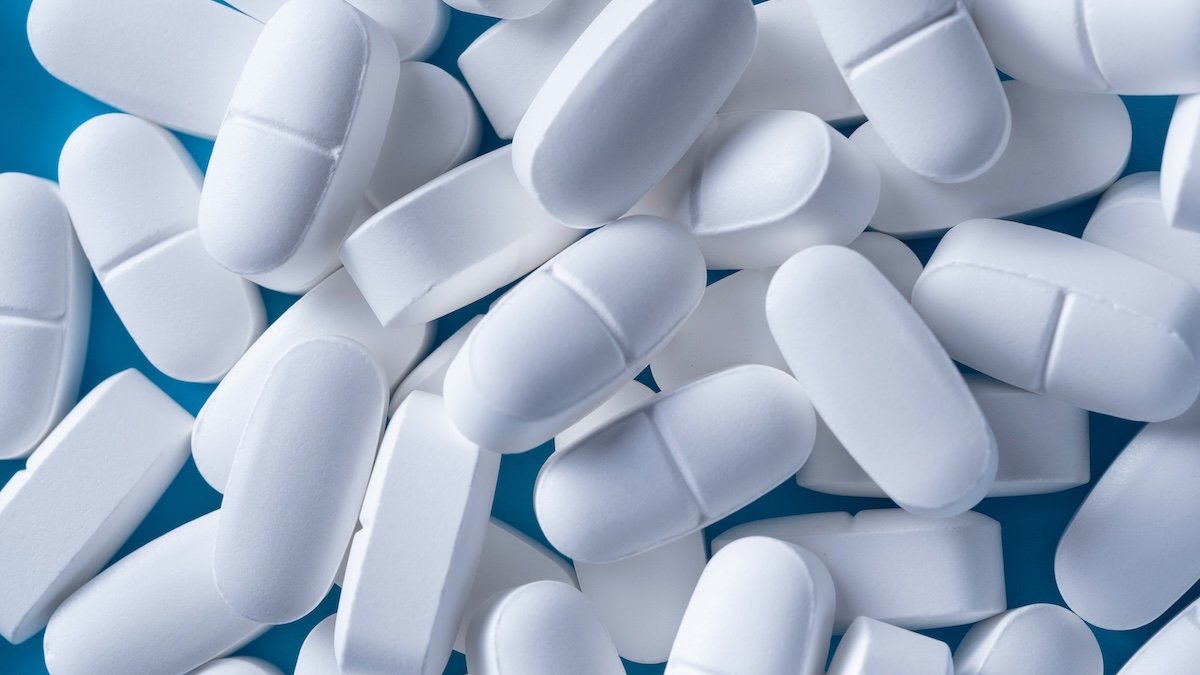
Dietary supplements are widely used in the U.S., with many Americans incorporating vitamins, minerals, herbs, and other supplements into their daily routines. While some supplements can be beneficial, there are risks associated with them that users may not be aware of. It is essential to be cautious, especially when purchasing supplements online. Dr. Anum Minhas, a cardiologist and assistant professor of medicine at Johns Hopkins, advises individuals to consult with their pharmacist or healthcare provider to ensure that the supplement does not interact with any prescription medications they are taking.
Dr. Minhas emphasizes the importance of being cautious when it comes to supplements, as medication interactions can pose significant risks. While some supplements may be harmless, others may not have undergone rigorous testing like prescription medications. This lack of regulation can lead to inconsistencies in the ingredients and potency of supplements, making it challenging to determine their effectiveness.
In her practice, Dr. Minhas does not actively recommend supplements, particularly for managing complex health issues like menopause symptoms. She highlights the lack of FDA approval for supplements in the U.S., which raises concerns about their safety and efficacy. Without proper regulation and clinical trials, the benefits of many supplements remain uncertain.
While some individuals may find relief from certain supplements, Dr. Minhas advises caution and encourages patients to discuss their supplement use with a healthcare professional. It is crucial to be aware of potential interactions between supplements and prescription medications, as some supplements can interfere with the effectiveness of certain drugs. Consulting with a medical professional before adding any new supplement to your routine is essential to ensure your safety and well-being.
When considering supplements, it is recommended to choose reputable brands available in large pharmacies rather than purchasing products online or based on social media endorsements. Dr. Minhas also warns against using supplements with packaging in an unfamiliar language, as this can make it difficult to determine the contents and potential risks associated with the product. Prioritizing safety and transparency in supplement choices is key to maintaining your health and avoiding potential complications.
In conclusion, while dietary supplements can be appealing for their perceived health benefits, it is crucial to approach them with caution and seek guidance from healthcare professionals. Understanding the potential risks and interactions associated with supplements is essential for making informed decisions about your health and well-being. By prioritizing safety and transparency in supplement choices, you can minimize the risks and maximize the potential benefits of incorporating supplements into your daily routine.