Navigating Global Chokepoints: The Impact of Strategic Waterways on Global Trade and Energy Security
The ongoing conflict in Iran has highlighted the significant impact that disruptions in key shipping routes can have on global energy shipments and consumer prices. The Strait of Hormuz, a crucial passage for energy trade, has experienced a slowdown due to strikes on commercial vessels, leading to a surge in global oil prices and pushing gasoline prices above $4 a gallon, contributing to broader inflation concerns.
Efforts to broker a peace deal between the U.S. and Iran have faltered as both sides vie for control of the Strait of Hormuz, showcasing how strategic waterways can become leverage points in geopolitical conflicts. A recent report from Oxford Economics identifies 26 other major chokepoints with high trade volumes that could pose economic risks if shipping were to come to a halt.
Asia stands out as a region with a dense concentration of key global chokepoints, including the Strait of Malacca and the Taiwan Strait, which are vital for global trade flows. The Mediterranean Sea is also a critical area for trade, with the Strait of Gibraltar and the Suez Canal serving as key passageways for international commerce.
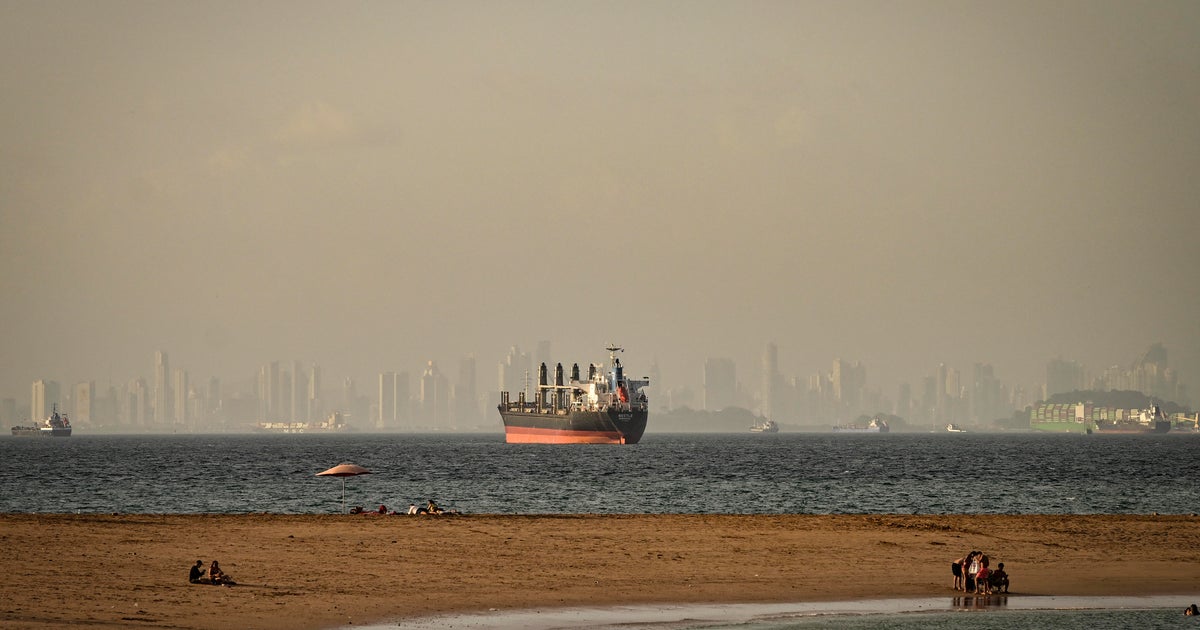
While the Panama Canal is less significant on a global scale, it remains an important chokepoint for the Americas, with a significant portion of U.S. container traffic passing through it annually. Geopolitical disruptions and climate change are identified as major threats to global trade, with countries seeking to exploit chokepoints for political gain and environmental factors like drought and El Niño affecting water levels and shipping capacity.
The risks associated with chokepoints vary depending on their ability to reroute traffic in case of emergencies. The vulnerability of the Strait of Hormuz, which normally handles one-fifth of the global oil supply, lies in its lack of alternative paths for redirecting energy supplies. Even chokepoints with backup routes can face challenges, as rerouting vessels can increase operational costs and prolong shipping times.
In conclusion, the interconnected nature of global trade and the reliance on key chokepoints underscore the importance of safeguarding these critical passages to ensure the smooth flow of goods and energy supplies. Efforts to address geopolitical tensions and climate-related disruptions are essential to maintaining the stability of international trade routes and mitigating potential economic risks.