The Intersection of Politics, Religion, and Big Business: The Roots of Science Denialism in America
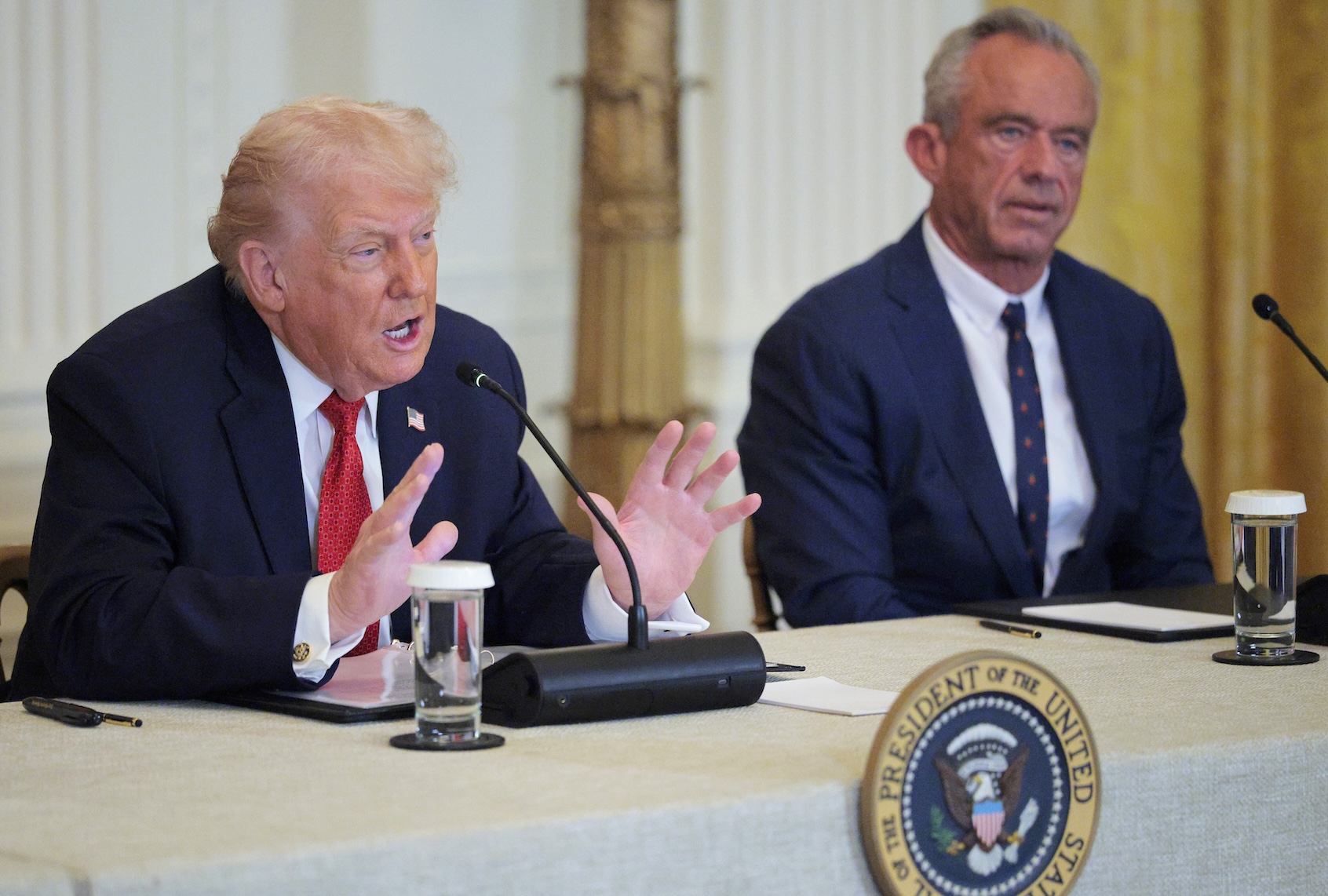
The infamous press conference held by Donald Trump on April 23, 2020, where he suggested using household disinfectant internally to combat Covid-19, marked the end of his daily pandemic briefings. Despite the backlash, Trump remains steadfast in his unscientific claims, such as advising against Tylenol during pregnancy and altering childhood vaccine schedules due to unfounded beliefs about autism risks. These assertions have been debunked by medical and scientific communities, but Trump, aided by anti-vaccine advocate Robert F. Kennedy Jr., continues to spread misinformation.
The alliance between Christian fundamentalists and Big Business has long fueled skepticism towards science in the United States. The fundamentalist movement, initially funded by oil magnates in the early 20th century, aimed to combat scientific ideas that contradicted biblical interpretations. By the 1980s, evangelical groups aligned with the Republican Party and Big Business, influencing followers to doubt science that challenged corporate interests. The Koch brothers, prominent in the fossil fuel industry, financed campaigns to deny climate change, leading to widespread skepticism among Americans.
The proliferation of science denialism in society today is fueled by various factors, including the internet's dissemination of conspiracy theories and misinformation. Individuals like Trump and Kennedy, in positions of power, perpetuate unscientific beliefs, contributing to the erosion of trust in science. While some skepticism stems from societal changes and information overload, powerful interests have actively cultivated an environment of mistrust for their own gains. The consequences of this pervasive denialism are evident in public attitudes towards critical issues like climate change and healthcare.