Zhu Rongji: Architect of China's Economic Transformation
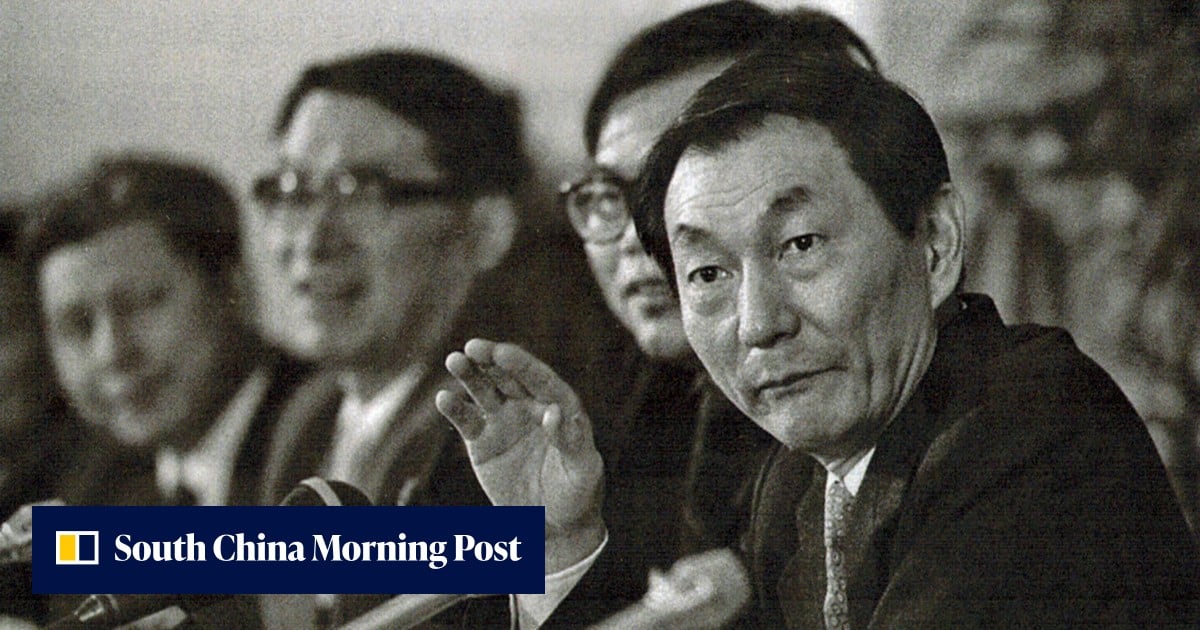
Zhu, a prominent figure in Chinese politics, served as the country's premier from 1998 to 2003. He played a crucial role in China's accession to the World Trade Organization (WTO) and implemented significant reforms during his tenure. Born in 1928 in Changsha, Zhu studied electrical engineering at Tsinghua University before embarking on a career in the civil service. He gradually climbed the ranks and eventually became vice-premier in charge of the economy in the early 1990s.
During his time as premier, Zhu faced challenges such as high inflation, mounting debt, and losses in state-owned enterprises (SOEs). To address these issues, he implemented reforms aimed at centralizing fiscal policy, reducing bureaucracy, and restructuring or privatizing underperforming enterprises. His efforts were instrumental in stabilizing China's economy and paving the way for its integration into the global trade system.
Zhu's legacy is characterized by his commitment to combating corruption, promoting economic growth, and modernizing China's economy. His leadership and vision have left a lasting impact on the country's development trajectory. Zhu's tenure as premier marked a significant period of reform and transformation in China's economic landscape, setting the stage for its emergence as a global economic powerhouse.