Protecting Your Finances: The Rise of Skimming Scams and How to Stay Safe
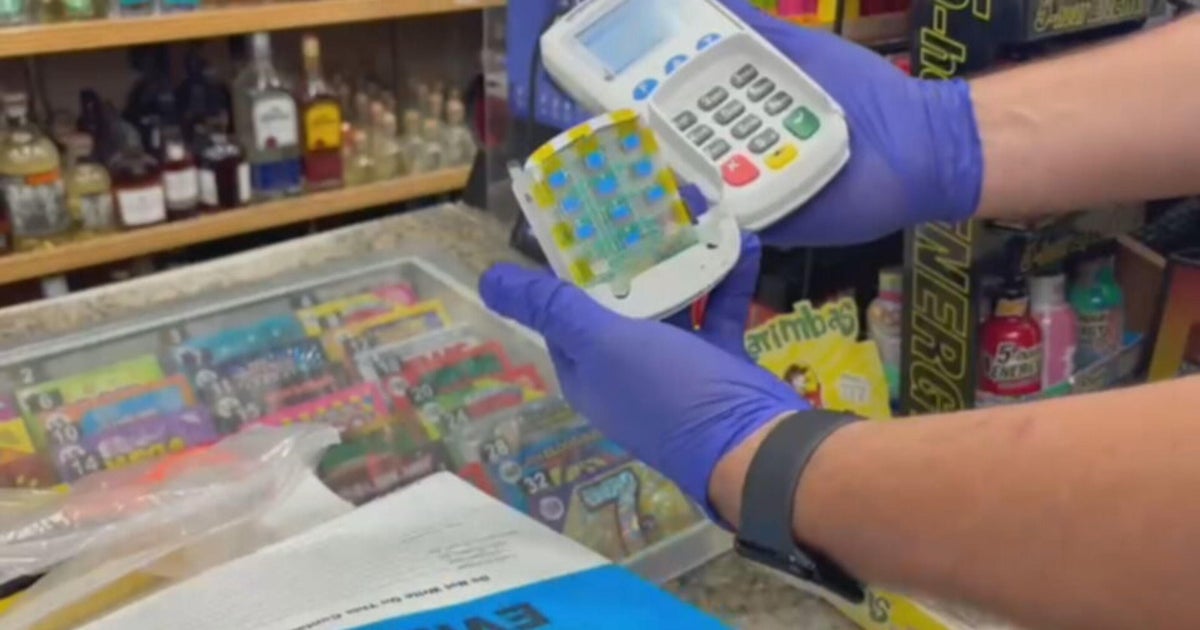
Many Americans may have unknowingly encountered a dangerous scam involving skimming devices that steal account details and PINs from bank and government benefits cards. The U.S. Secret Service has reported an increase in the use of these devices, which can be quickly installed on card readers. These skimmers collect data whenever a card is swiped and can transmit it wirelessly to scammers. The Secret Service estimates that a single skimmer can yield up to $1 million in stolen funds.
Identifying and removing skimming devices is challenging, as they are difficult to detect and remove. Law enforcement often has to forcibly remove the skimmers, leaving behind residue. The duration of a skimmer's use is unknown, making it even more challenging to combat this type of fraud. In 2025, the Secret Service removed over 400 illegal skimming devices, but this represents only a fraction of the total number of devices in operation.
The Secret Service and its law enforcement partners have observed a rise in skimming activities over the past two years, leading to increased financial losses. Organized criminal groups from outside the country, particularly from Eastern Europe, Asia, and Central and South America, are behind these scams. These criminals enter the U.S. through various means, including crossing the U.S.-Mexico border or even using unconventional methods like Jet Skis. Stores that accept government assistance cards, such as EBT cards, are often targeted due to the significant funds available on these cards.
Government assistance cards are particularly vulnerable to skimming attacks as they require swiping, lacking the added security features of chip or tap-and-pay technology. Victims of these scams often struggle to recover their stolen benefits, as multiple agencies are involved in distributing the funds. The impact on individuals like Mary Bowen, who rely on these benefits for essential expenses, can be devastating when their funds are stolen.
Law enforcement efforts to combat skimming include inspecting devices at businesses to identify and seize skimmers. In California alone, 16 skimmers were confiscated, preventing an estimated $16.6 million in potential fraud losses. Similar operations have been conducted in various U.S. cities to address this widespread issue. While major cities like Los Angeles are hotspots for skimming activities, even small towns are not immune to these scams.
To protect themselves, consumers are advised to minimize swiping whenever possible. While government benefit cards may require swiping, using tap-and-pay technology is recommended as a safer alternative. By staying vigilant and adopting secure payment methods, individuals can reduce their risk of falling victim to skimming scams.
In conclusion, the prevalence of skimming devices poses a significant threat to consumers and financial institutions, leading to substantial financial losses each year. The collaborative efforts of law enforcement agencies are crucial in combating this type of fraud and safeguarding individuals' financial security. By raising awareness and implementing preventive measures, we can work towards minimizing the impact of skimming scams on vulnerable populations and the broader community.