Challenges to National Security Deference: Courts Scrutinizing Trump Administration's Claims
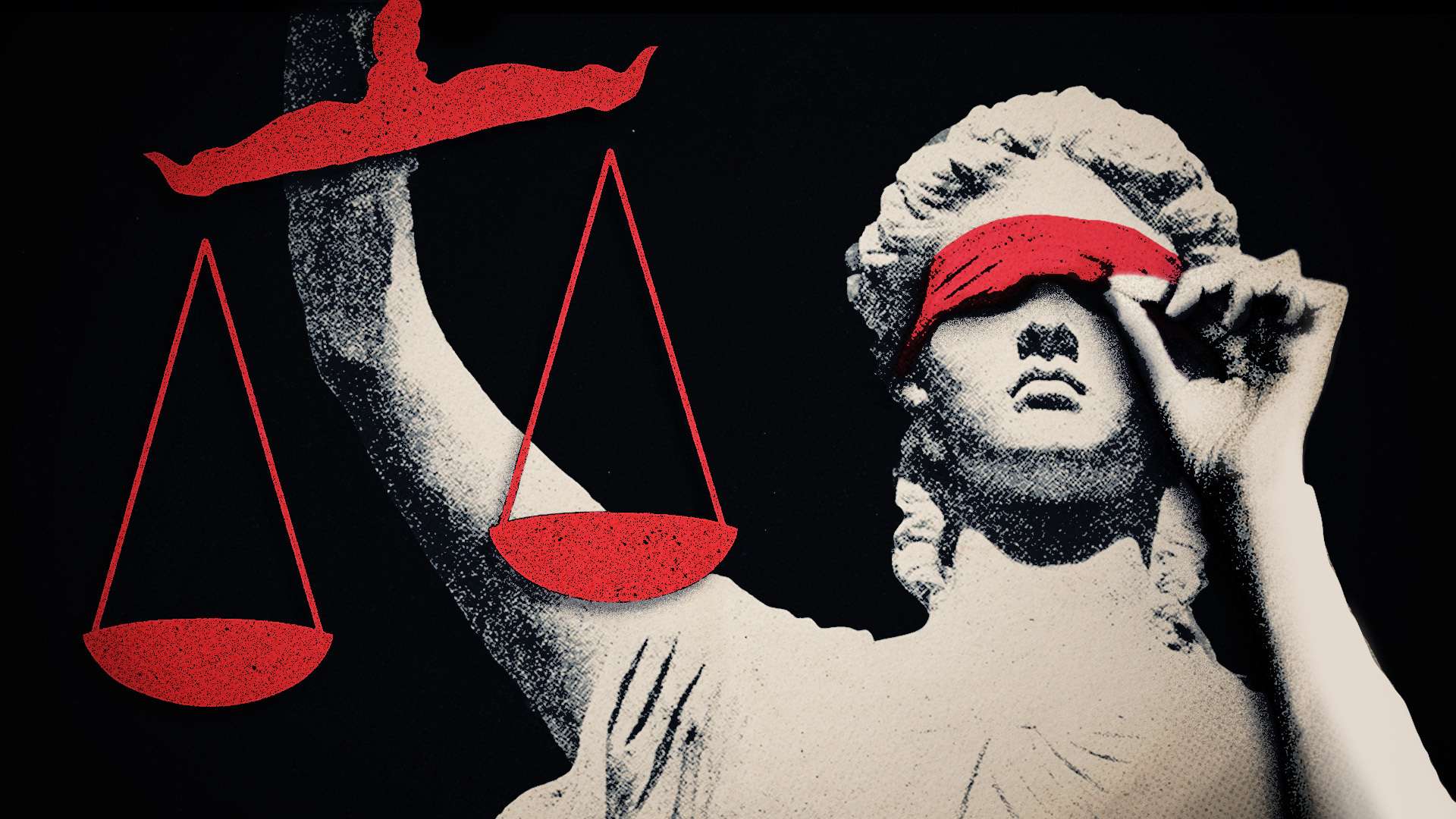
The second term of the Trump administration is facing challenges in court as federal judges are becoming more skeptical of the U.S. Department of Justice's prosecutors. This shift is a departure from the usual deference given to the government on national security matters. The courts are now scrutinizing the administration's claims more closely, as seen in a recent ruling on Trump's White House ballroom project.
National security deference is a set of legal principles that limit the courts' authority in cases involving national security issues. While courts typically give leeway to the executive branch on such matters, recent cases have shown a willingness to question the government's assertions. This trend was evident in the Supreme Court's decision to uphold Trump's travel ban and the ban on TikTok, despite the lack of specific evidence of national security threats.
However, a recent case involving Trump's White House ballroom project suggests a shift in the courts' approach to national security deference. A U.S. District Judge granted an injunction against the project, ruling that it required congressional approval. The administration's appeal, citing national security concerns, was rejected by the appeals court, signaling a departure from the automatic deference usually given to such claims.
While it is too early to conclude that national security deference is coming to an end, the recent court decision is a positive development. The courts are holding the government accountable and ensuring that it follows the same rules as everyone else. This shift could lead to a more balanced approach to national security issues in the future.