Ultimate Guide to the August 12 Total Solar Eclipse: Viewing Tips and Livestream Information
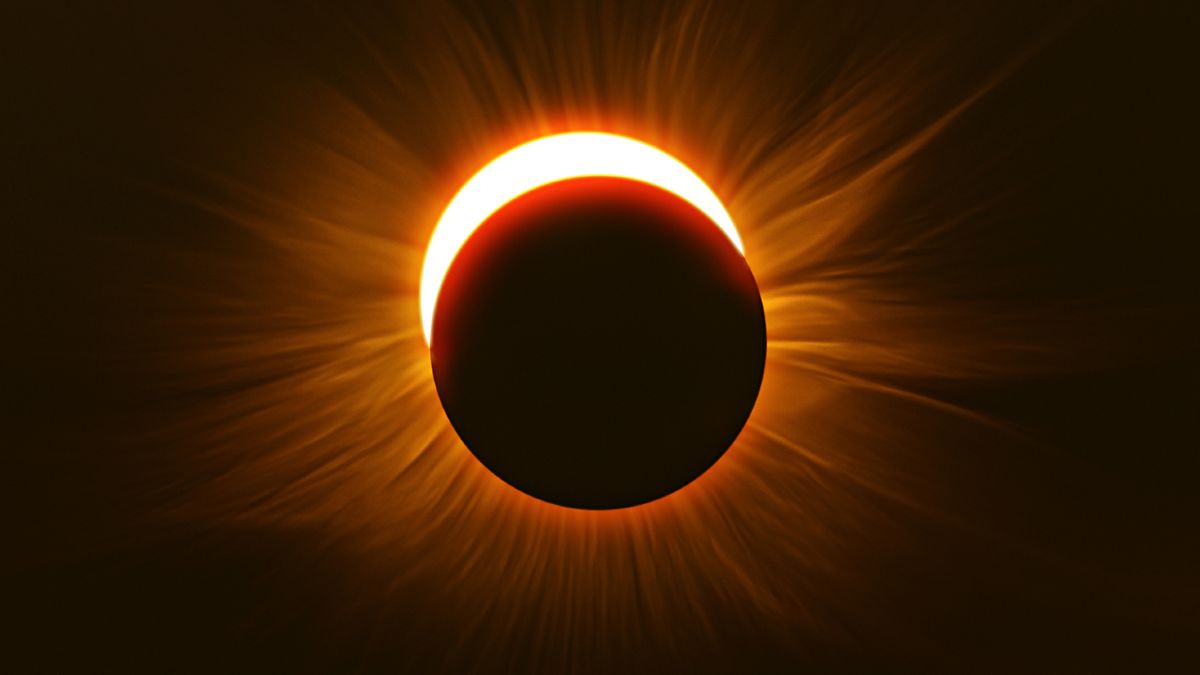
On August 12, a new moon will pass in front of the sun, creating a total solar eclipse visible from Iceland, Greenland, and northern Spain. The path of totality will offer a breathtaking view for those lucky enough to be in its trajectory. In North America and Europe, millions will witness a partial eclipse, with the moon covering over 90% of the sun in some regions. Whether you plan to watch in person or online, here's what you need to know.
The path of totality for the upcoming eclipse will stretch from northern Siberia near the North Pole to Greenland, Iceland, and southern Spain. Key locations to witness the total eclipse include Scoresby Sund in Greenland, Reykjavik in Iceland, and León in Spain. The timing and duration of totality will vary across these regions, providing a unique viewing experience for each location.
During totality, it is safe to observe the eclipse without solar eclipse glasses. However, protective eyewear is essential during the partial phases of the eclipse, even for those outside the path of totality. Solar eclipse glasses can still be purchased online for safe viewing. Additionally, binoculars or telescopes with solar filters can enhance the viewing experience of the partial phases.
While North America may not have the best view of this eclipse, cities in the Northeast will still have the opportunity to witness a partial eclipse. In Europe, viewers can expect a more complete eclipse, with the sky darkening and the air cooling slightly. Eclipse glasses are a must for all observers, even in areas experiencing a 99% eclipse. Various locations in North America and Europe offer ideal spots to catch the partial eclipse.
For those unable to witness the eclipse in person, several news networks and space agencies, such as CNN, NASA, and the European Space Agency (ESA), will be livestreaming the event. NASA will provide views of totality from Iceland and Spain, starting at 1:15 pm EDT. ESA will stream the eclipse from the Astrophysical Observatory of Javalambre in Spain. Livestreams offer a convenient way to experience the eclipse from the comfort of your home.
If you miss the August 12 eclipse, don't worry—more celestial events are on the horizon. A lunar eclipse is set to occur on August 27-28, visible across most of North and South America. Looking ahead to next year, a total solar eclipse on August 2, 2027, will be the longest of the century, visible from southern Spain and northern Africa. Stay tuned for more skywatching opportunities in the future.