Exploring the Cost and Benefits of Laser-Assisted Cataract Surgery
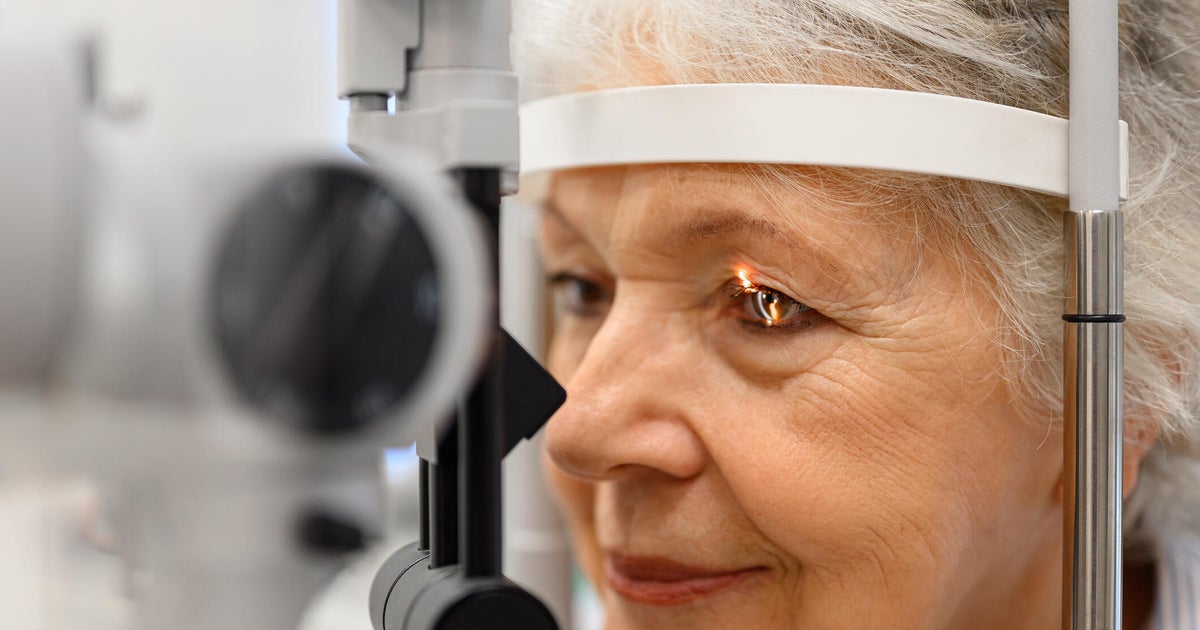
Cataract surgery is a common procedure covered by Medicare, but some patients are opting to pay more out-of-pocket for laser-assisted surgery. The laser method is believed to offer more precise cuts and better outcomes compared to traditional scalpel surgery. While both methods are safe and can reduce the need for glasses, the laser method is becoming increasingly popular among patients willing to pay extra for improved vision correction.
Doctors have a financial incentive to use the laser method, as Medicare reimbursement for cataract surgery has decreased over the years. The cost of the laser equipment can be significant, leading some doctors to charge patients extra for using the laser to insert premium lenses or correct astigmatism. This additional cost can range from $1,000 to $3,000 per eye, on top of the standard Medicare reimbursement for the procedure.
Research has shown that the laser method does not necessarily provide better outcomes than traditional cataract surgery. The American Academy of Ophthalmology states that studies have not found laser surgery to result in fewer complications or better outcomes. Despite this, the number of laser-assisted cataract surgeries performed annually is increasing, with nearly 12% of all cataract surgeries in the U.S. being laser-assisted.
Cataracts are a common age-related condition that affects more than half of Americans by age 80. The surgery involves removing the cloudy natural lens and replacing it with a clear artificial one. While some patients opt for laser-assisted surgery for its precision and vision correction benefits, others choose the traditional method to avoid additional out-of-pocket costs. Ultimately, patients should be educated on all their options and choose the method that best suits their needs and preferences.
In conclusion, while laser-assisted cataract surgery offers potential benefits in terms of precision and vision correction, it comes at an additional cost to patients. The decision to opt for laser surgery should be based on individual preferences and needs, as both traditional and laser methods have been shown to be safe and effective in treating cataracts.